Zibo City, Shandong Province

Have You Any Quires ?

10 PM – 6 PM
Zibo City, Shandong Province
Have You Any Quires ?
10 PM – 6 PM

Have You Any Quires ?
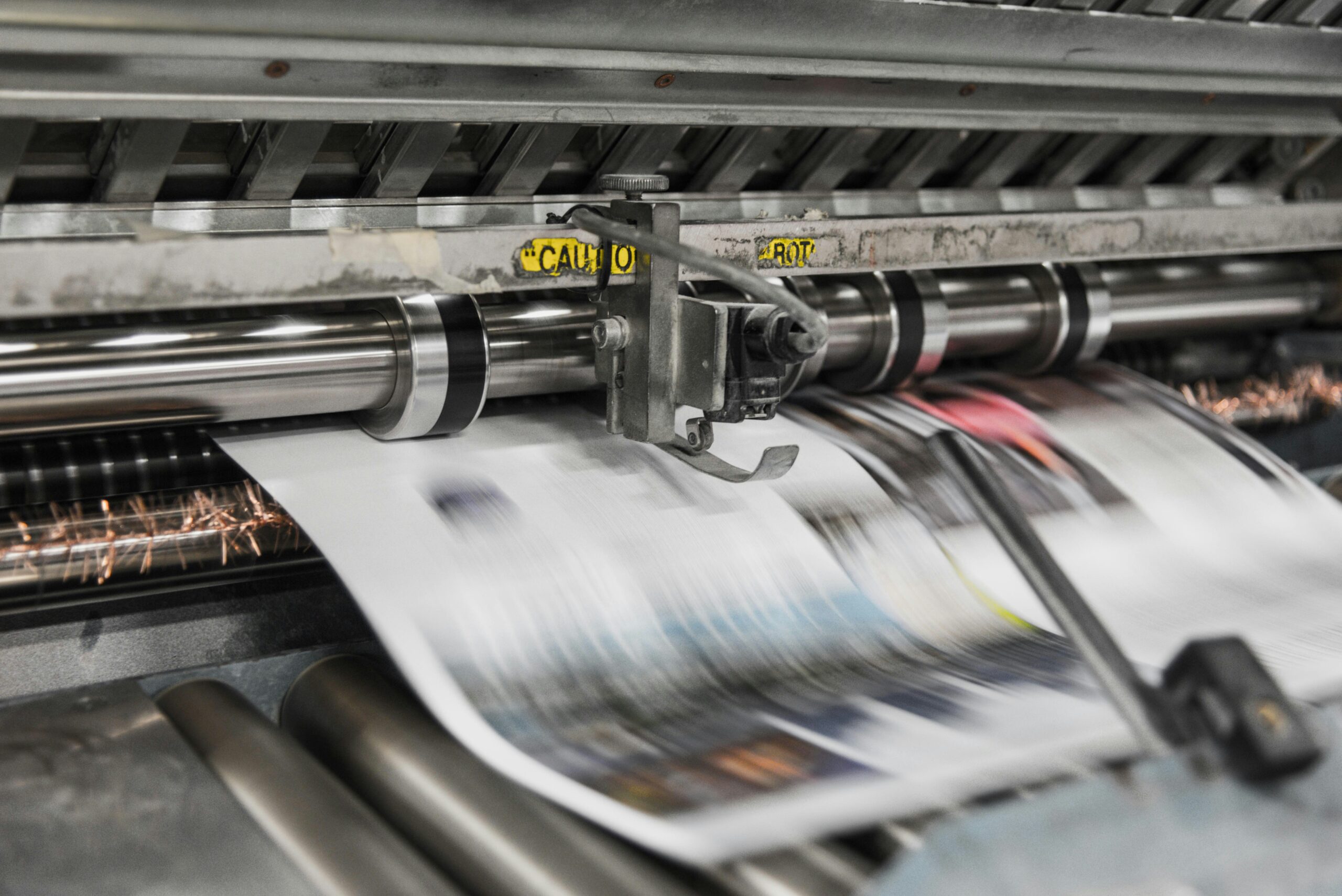

Understanding the tooling costs for custom packaging is, in my professional experience, one of the most opaque and frustrating parts of the sourcing process for many brand owners. You receive a quote with a single line item—"Tooling Fee: $5,000"—with no explanation. What are you actually paying for? Is the price fair? Is it a one-time charge? This lack of clarity is a huge problem. It prevents you from accurately budgeting, comparing suppliers, and, most importantly, understanding the true value of the asset you are purchasing.
This is why you must demand a transparent, itemized breakdown. It’s not a luxury; it’s a necessity for smart procurement (#footnote-1){#ref-1}. This guide will provide you with the exact framework I use to get that clarity. I will walk you through the key components of a tooling quote, explain how these costs are calculated, and show you how to avoid the common hidden fees and surprises that can derail your project.
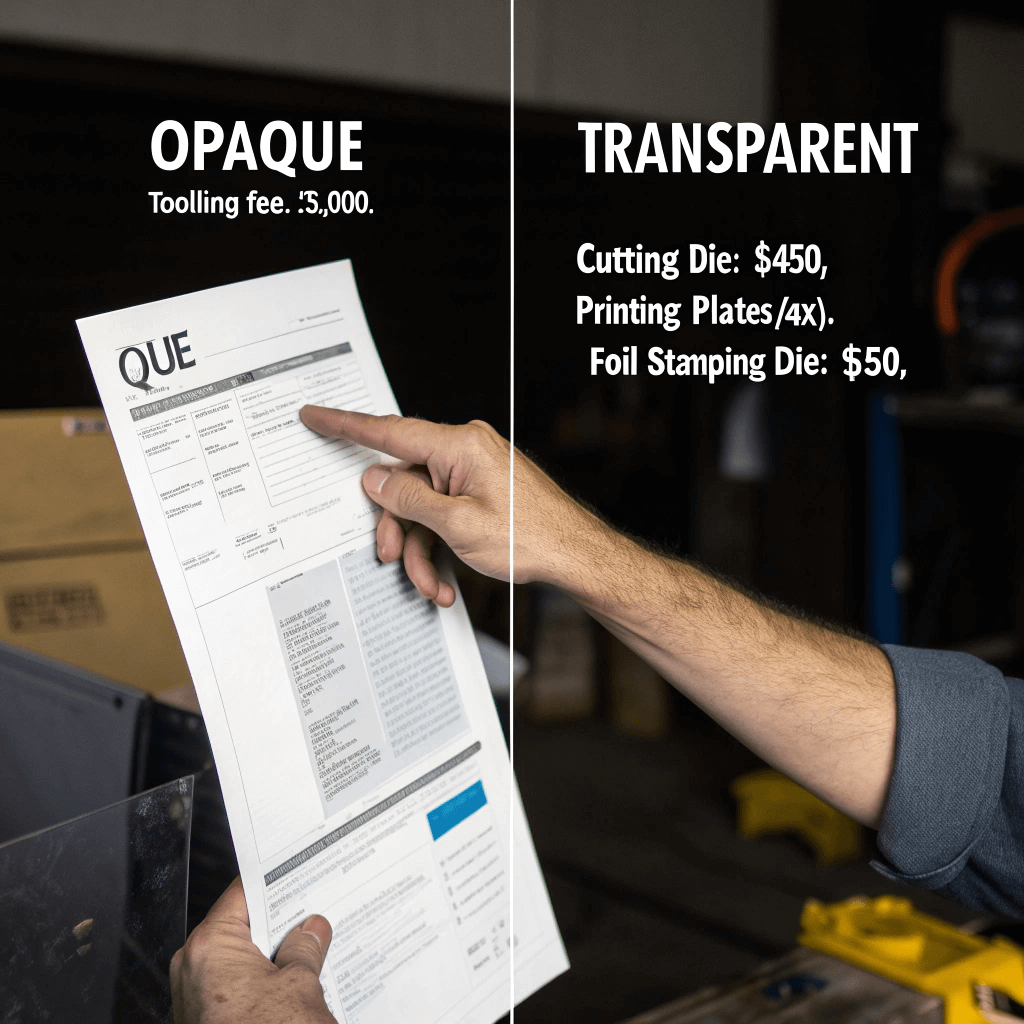
A single, bundled "tooling fee" is unacceptable. The first thing I always do is require the supplier to itemize every single component. This is the foundation of a transparent quote. Each unique process in making your custom package requires a specific tool, and each tool has a cost.
Next, you need to understand how the cost is being presented. Is it a one-time, upfront fee that you pay to purchase the tool? Or is the cost being amortized (#footnote-5){#ref-5} (spread out) and hidden in the per-unit price of your packaging? I strongly advocate for the former.
A tool does not last forever. Every die and mold has a finite lifespan, measured in the number of impressions or units it can produce before it wears out and quality degrades. Understanding this lifespan is critical for long-term financial planning.
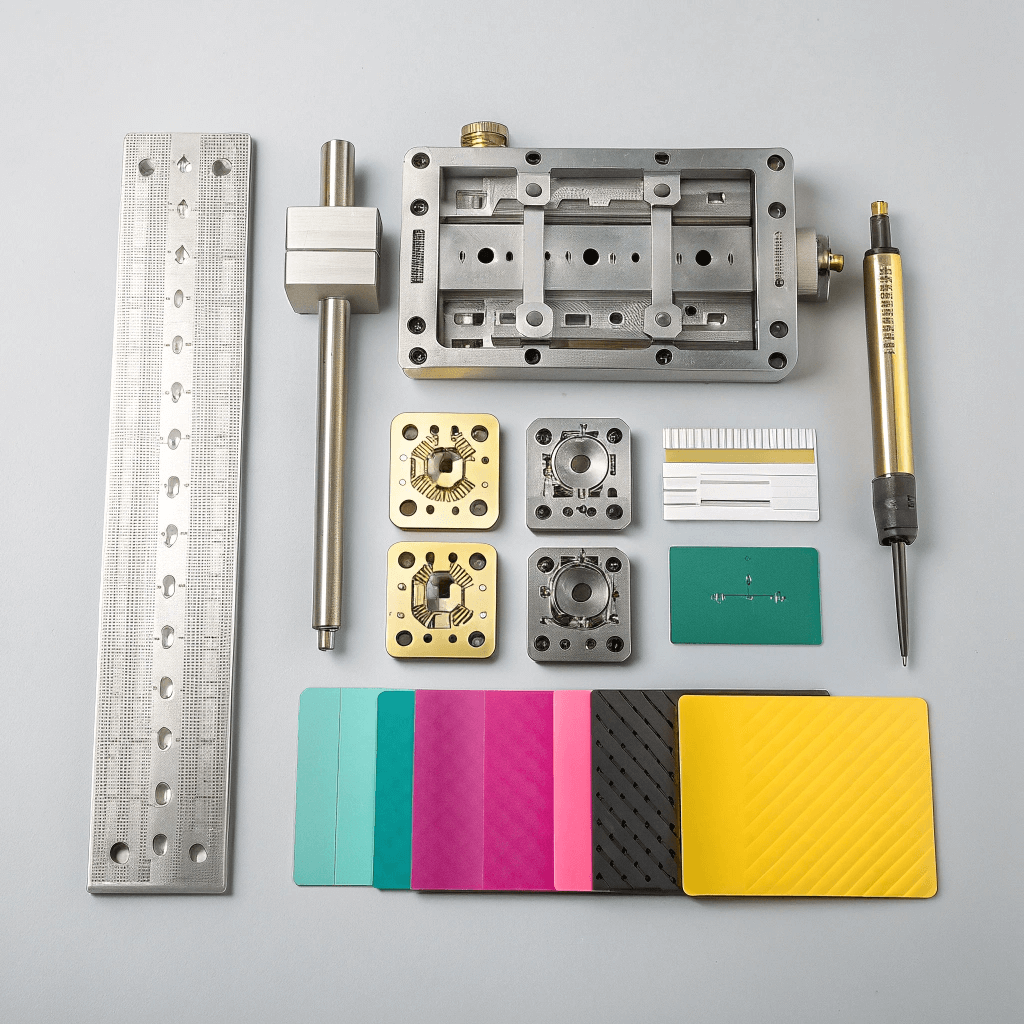
A tooling cost is only meaningful when it is tied directly to your detailed technical specifications. A quote given without seeing your final design files is just a rough estimate. I always provide a complete "tech pack" (#footnote-7){#ref-7} and require the tooling quote to be anchored to it.
You should never pay 100% of the tooling cost upfront. I structure payments to align with key production milestones. This approach incentivizes the supplier to perform and gives you leverage throughout the development process.
This is the most critical point. Your tooling quote and contract must explicitly state who owns the physical molds and dies after you have paid for them. Paying the fee must equal ownership.
This table summarizes the essential line items you should expect to see in a clear and professional tooling cost breakdown.
| Tooling Component | What It Is | Key Cost Driver |
|---|---|---|
| Cutting Die | The steel rule die (#footnote-9){#ref-9} that cuts and creases the box shape. | Size and complexity of the box shape. |
| Printing Plates/Cylinders | Plates that transfer ink for each color in offset/flexo. | Number of unique colors (e.g., CMYK + 2 Pantone = 6 plates). |
| Foil Stamping/Embossing Die | A metal die used to press foil or create a raised effect. | The surface area and intricacy of the design. |
| Molds (e.g., for Inserts) | Custom molds for thermoformed plastic or molded pulp inserts. | Complexity, material, and number of cavities. |
The best way to avoid surprises is to get a single, consolidated tooling cost proposal at the very beginning that explicitly lists what actions might trigger additional charges. Your contract’s change-control language is your best friend here. It should state that any modification to the design or process requires a formal change order with updated pricing that you must approve in writing. I also recommend requesting a detailed pilot-run plan that ties directly to the new tooling. This helps confirm that the costs reflect the tool’s actual performance and expected defect rates before you commit to a full production run.
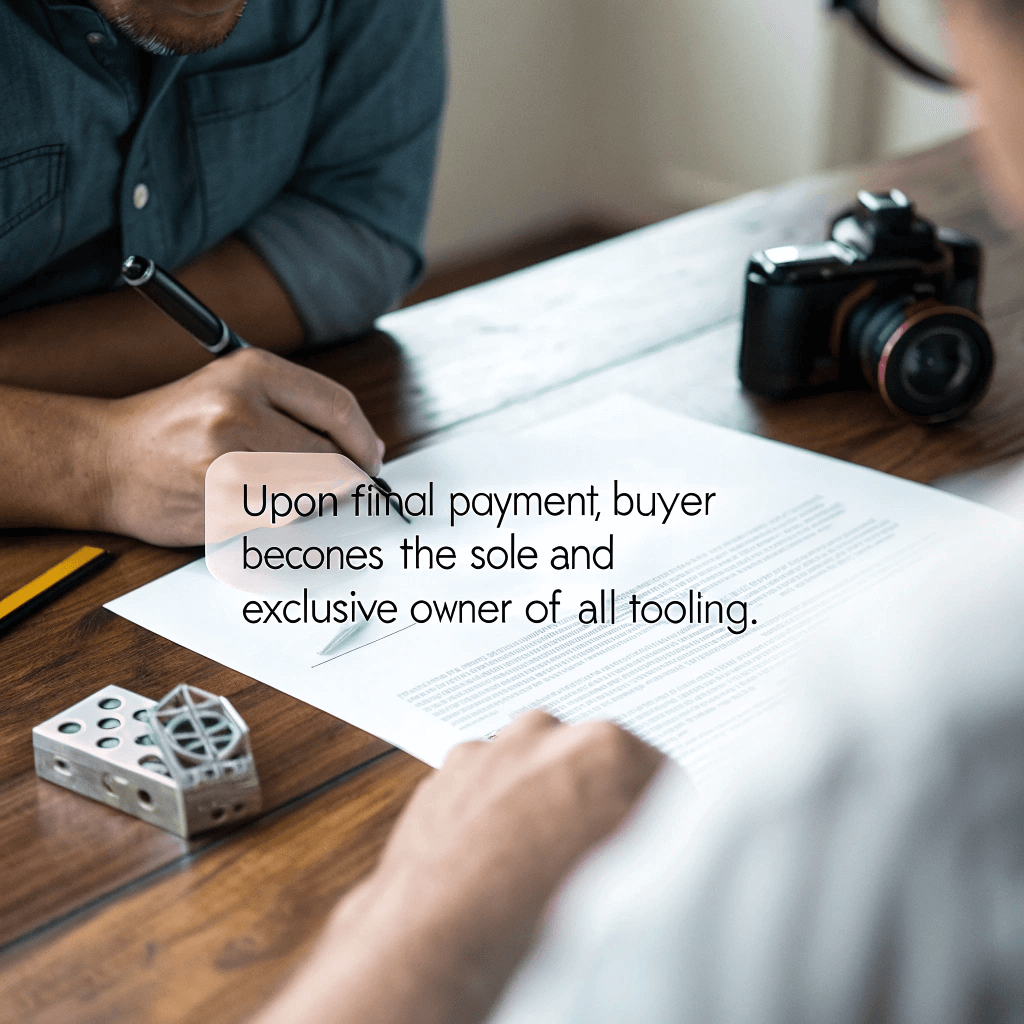
Demystifying the tooling costs for your custom packaging is about replacing ambiguity with precision. It’s about transforming a vague, single-line fee into a transparent, itemized list of the valuable manufacturing assets you are purchasing. By following the steps I’ve outlined—demanding an itemized quote, clarifying the cost structure, establishing the tool’s lifespan, and legally securing ownership (#footnote-10){#ref-10}—you empower yourself to budget accurately, negotiate effectively, and invest wisely. This diligence is what separates a smooth, professional sourcing experience from a costly and frustrating one. It is the foundation of a strong, transparent, and successful partnership with your supplier.
What is the typical cost for a cutting die for a custom box in China?
For a standard-sized mailer or folding carton, a cutting die is typically quite affordable, often ranging from $150 to $500 depending on the size and complexity of the dieline. Larger or more intricate designs will cost more.
How is the mold/tooling cost calculated?
It’s calculated based on three main factors: 1. Material: The cost of the steel or other metal used to make the tool. 2. Machining Time: The hours of labor and machine time (e.g., CNC machining, laser cutting) required to create the tool with precision. 3. Complexity: The more intricate the design, the more time and skill are required, which increases the cost.
What is the expected lifespan of a mold, and how many units can it produce?
This varies greatly. A high-quality steel rule cutting die for corrugated boxes can often last for 500,000 to over 1,000,000 impressions. A more delicate embossing die might show wear after 100,000 impressions. You must ask your supplier to specify the expected lifespan for each specific tool you are purchasing.
Is the tooling cost a one-time fee, or will I have to pay it again for reorders?
If you have a proper agreement, it should be a one-time fee. You are purchasing the physical tool. You will not have to pay it again for repeat orders using the exact same design. You would only pay a new tooling fee if you change the design or if the original tool wears out after its expected lifespan and needs to be replaced.
1. An overview of the procurement process and its importance in business operations. ↩︎
2. A comparison of flexographic and offset printing methods used in packaging. ↩︎
3. Learn what foil stamping is and how the die process creates the metallic effect. ↩︎
4. An explanation of what molded pulp is and how it is used for protective packaging. ↩︎
5. A clear definition of amortization and how it is used to spread costs over time. ↩︎
6. Understand the concept of Total Cost of Ownership (TCO) for business assets. ↩︎
7. A guide on how to create a technical drawing and tech pack for manufacturing. ↩︎
8. Learn what a change order is and how it is used to manage project modifications. ↩︎
9. An explanation of steel rule dies and their use in die-cutting processes. ↩︎
10. See examples of legal clauses that explicitly define ownership of tooling in contracts. ↩︎
You can leave any questions. We will see and answer you.