Zibo City, Shandong Province

Have You Any Quires ?

10 PM – 6 PM
Zibo City, Shandong Province
Have You Any Quires ?
10 PM – 6 PM

Have You Any Quires ?
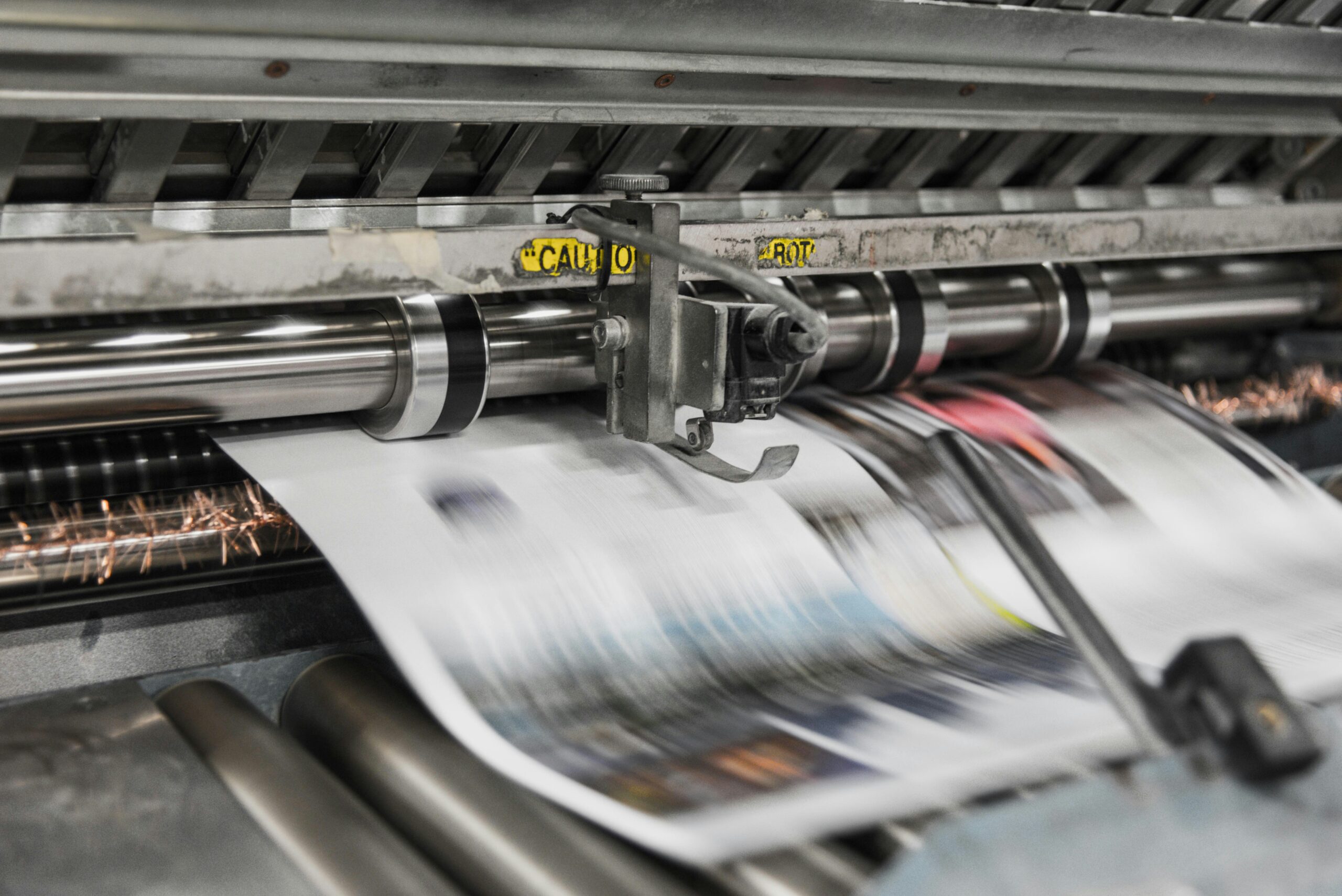

Verifying a supplier’s custom paper packaging capability is, from my direct experience, the single most crucial piece of due diligence you can perform. It’s where the vision for your brand’s physical presence meets the stark reality of manufacturing. Anyone can say they can make a box. But can they execute your box? Can they handle the specific paper grade, the precise PMS color, the complex die-cut, and the delicate finish your brand demands? This is the question. And I’ve seen countless businesses stumble here, facing costly delays and quality failures because they assumed capability instead of proving it. It’s a painful mistake.
This guide is your roadmap to proof. I will lay out the 8-step framework I personally use to dissect a factory’s true capabilities. We will move beyond their sales pitch and into a rigorous, evidence-based evaluation. This is how you ensure the partner you choose has the right machinery, the right expertise, and the right processes to bring your vision to life with precision and excellence.
You cannot expect a supplier to read your mind. Before you even approach a factory, you must define exactly what you need in a comprehensive technical specification sheet (#footnote-1){#ref-1}, or ""tech pack."" This document becomes your single source of truth. It forces clarity on your end and allows the supplier to give you a definitive ""yes"" or ""no"" on their capabilities.
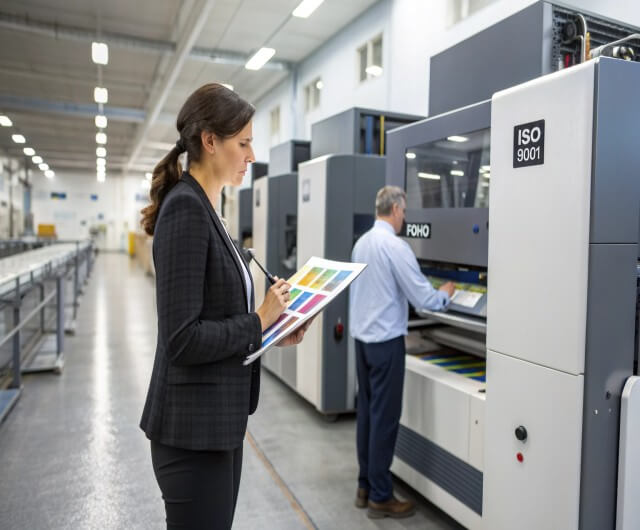
Once your specs are clear, you can investigate if the factory’s assets align with your needs. This isn’t just a casual question; it’s a technical audit. I always ask for a detailed list of their primary equipment. The machines on their floor directly dictate what they can and cannot produce at a high-quality level.
Talk is cheap. The next step is to demand tangible proof. I require suppliers to substantiate their claims with documentation and physical examples. This is where you separate the true specialists from the generalists.
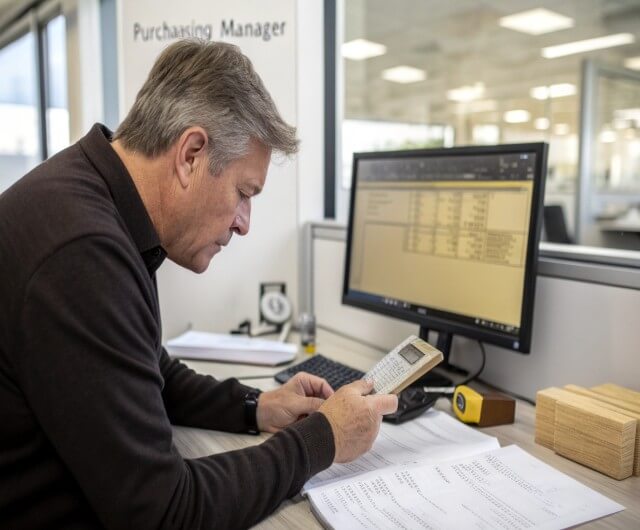
A supplier’s commitment to quality is revealed in their processes. How do they prevent defects, and what do they do when they occur? I always probe deep into their day-to-day quality control methodology.
A beautiful sample means nothing if the factory can’t produce your required volume on schedule. You must verify their real-world production capacity and understand how your order fits into their overall schedule.
For any significant project, I insist on a small pilot order (#footnote-8){#ref-8} before committing to a full production run. This is the ultimate, real-world test of their entire system, from design interpretation to final logistics. There is no better way to get a true feel for a partnership.
Throughout this entire process, you are constantly evaluating one of the most critical factors: their communication. A technically skilled factory with poor communication is a recipe for disaster.
Finally, once you have verified their capabilities and are confident in their ability to perform, you must capture everything in a legally binding contract. This document protects both you and the supplier by creating a shared, unambiguous definition of success.
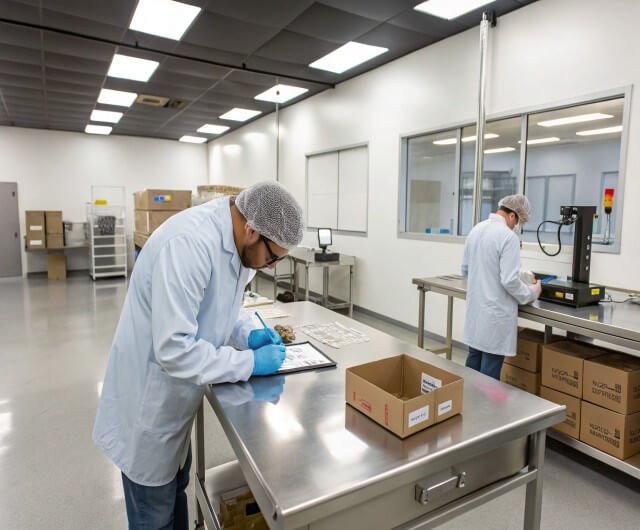
This table simplifies the verification process into three logical stages, helping you organize your workflow.
| Verification Stage | Key Actions | Primary Goal |
|---|---|---|
| 1. Initial Screening | Define Specs, Check Equipment, Review Portfolio | Quickly filter out suppliers who lack the basic machinery or relevant experience. |
| 2. Deep Dive & Sampling | Inspect QC, Validate Capacity, Obtain Production Samples | Test their engineering skills, quality systems, and ability to create a physical product. |
| 3. Final Confirmation | Run a Pilot Order, Sign Master Agreement (#footnote-10){#ref-10} | Confirm their mass production consistency and lock in quality standards legally. |
When you’re in those early conversations, you need to test their technical expertise directly. Here are a few questions I always ask:
Verifying a supplier’s custom paper packaging capability is a systematic investigation, not a single question. It requires you to act as a detective, piecing together evidence from their equipment list, their past work, their quality control documents, and, most importantly, the physical samples they produce. By following this 8-step framework, you replace risky assumptions with concrete proof. This diligent, upfront work is the most valuable investment you can make in your supply chain. It mitigates nearly all common production risks and ensures you build a partnership with a supplier who can truly bring your brand’s physical identity to life.
What questions should I ask to test their technical expertise?
Ask specific, process-oriented questions like: ""What is your standard procedure for a color-matching pre-production sample?"" or ""Can you describe your quality control checkpoints for a complex die-cut and assembly project?"" or ""What are your standard dimensional tolerances, and what equipment do you use to verify them?""
How can I get a production-grade sample to approve before my full order?
You should request a ""Pre-Production Sample"" (PPS). This is not a handmade prototype; it is one of the first units made using the actual mass-production machinery and processes. You must specify in your agreement that you need to receive, review, and provide written approval of the PPS before the full production run can begin.
What should I look for in a factory audit to verify their machinery and capacity?
During an audit, you should physically see the machines required for your project (e.g., the specific printing press, die-cutter, laminator). Check the condition of the equipment. For capacity, observe the factory’s workflow, ask about their current production schedule for the next 3-6 months, and inquire about their maximum weekly output for your specific type of packaging.
How can I ensure they can meet my required dimensional tolerances?
First, you must clearly define your acceptable tolerances (e.g., +/- 1mm) in your technical specification sheet. Second, ask what tools they use for measurement (e.g., digital calipers). Finally, during the sampling phase, you must meticulously measure the samples you receive to confirm they are within your specified tolerances before giving your approval.
You can leave any questions. We will see and answer you.