Zibo City, Shandong Province

Have Any Questions?

10 AM – 6 PM
Zibo City, Shandong Province
Have Any Questions?
10 AM – 6 PM

Have Any Questions?

Folding boxes are everywhere! From the cereal aisle to your latest online delivery, these clever containers are the unsung heroes of the packaging world. This article will take you on a journey through the fascinating world of folding boxes, exploring their design, benefits, diverse applications, and even their environmental impact. Whether you’re a business owner looking for the perfect packaging solution or simply curious about the boxes that hold our everyday items, this guide will unfold the secrets of these essential containers. Get ready to discover why folding boxes are more than just cardboard – they’re a smart, sturdy, and sustainable choice for a world on the move. This article is worth reading because it’s packed with helpful information that’s easy to understand. You’ll learn what makes folding boxes so popular, the different types available, how they’re made, and how to choose the right one for your needs. Plus, you’ll gain insights into eco-friendly packaging options and learn where to source high-quality folding boxes. Let’s dive in!
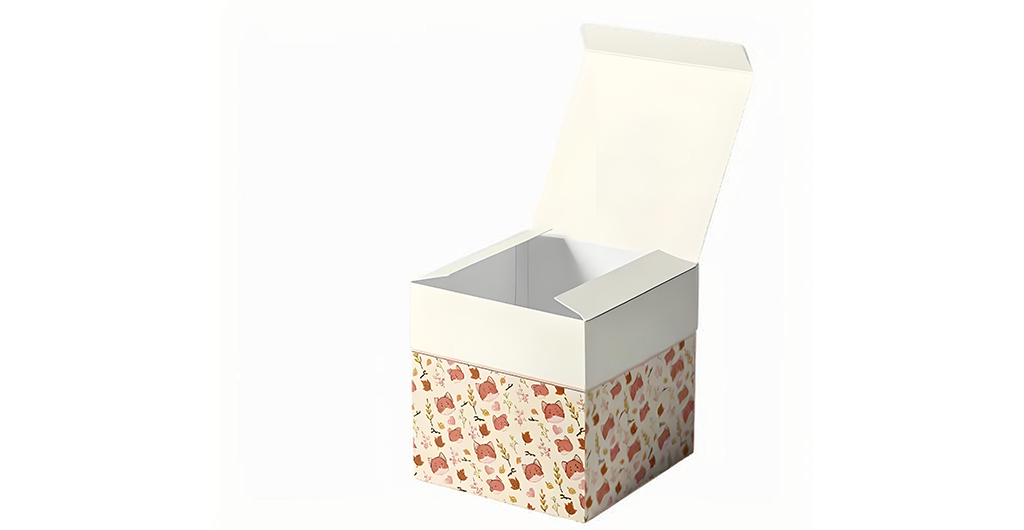
At its core, a folding box is a container made from a flexible, foldable material – typically paperboard – that is cut, creased, and glued to form a three-dimensional shape. Think of your favorite cereal box, a medicine carton, or even the box your new smartphone came in – these are all examples of folding boxes. Unlike rigid boxes, which are pre-assembled and don’t collapse, folding boxes are shipped flat and then assembled, or “erected,” when they’re ready to be filled. This flat-pack design is a key feature, making them incredibly efficient for storage and shipping. Imagine a giant warehouse filled with flat boxes, taking up minimal space until they’re needed – that’s the power of folding box design!
Folding boxes are engineered to protect their contents, showcase products attractively, and provide important information to consumers. They come in a vast array of shapes, sizes, and styles, from simple rectangular boxes to more complex designs with tuck flaps, locking tabs, and even windows. The versatility of folding boxes is truly remarkable; they can be tailored to accommodate almost any product, from lightweight cosmetics to heavier electronics. These boxes are more than just containers; they are carefully engineered structures designed for efficiency and effectiveness.
The popularity of folding boxes in the packaging industry stems from a combination of factors, including cost-effectiveness, versatility, printability, and ease of use. One of the primary advantages of folding boxes is their cost-effectiveness. Paperboard, the primary material used for folding boxes, is relatively inexpensive and readily available. Additionally, the flat-pack design significantly reduces shipping and storage costs, making folding boxes an economical choice for businesses of all sizes. It’s all about getting the most value while protecting your product! Another key factor is their versatility. As we’ve mentioned, folding boxes can be customized to fit a wide range of products and industries. Whether you need a small box for jewelry, a large box for electronics, or a uniquely shaped box for a specialty food item, there’s a folding box solution available.
Folding boxes also offer excellent printability. Paperboard provides a smooth surface that is ideal for high-quality printing, allowing businesses to create eye-catching graphics, logos, and product information on their packaging. This branding opportunity is crucial for attracting customers and building brand recognition. Imagine your product on the shelf, its colorful box grabbing the attention of shoppers – that’s the power of printability! Finally, folding boxes are easy to use. They are typically designed for quick and efficient assembly, both by hand and by automated packaging machines. This ease of use streamlines the packaging process, saving time and labor costs. From filling to sealing, folding boxes are user-friendly for both businesses and consumers.
The world of folding boxes is surprisingly diverse, with a wide array of styles and designs to suit various needs. One of the most common styles is the straight tuck end box (STE). This classic design features flaps at both ends that tuck into the main panels of the box. STE boxes are simple, economical, and easy to assemble, making them a popular choice for a wide range of products. Then there’s the reverse tuck end box (RTE), similar to the STE, but with one tuck flap folding in the opposite direction. This design provides a more secure closure and a cleaner appearance. RTE boxes are often used for higher-end products or items that require extra protection. Think of a fancy cosmetic box – it might be an RTE!
Another popular style is the auto-bottom box. This style features a pre-glued bottom that automatically folds into place when the box is erected, saving time and labor during the packaging process. Auto-bottom boxes are ideal for high-volume packaging operations. It’s like the box assembles itself! For heavier items or products that require extra support, tuck top auto bottom boxes (TTAB) and tuck top snap bottom boxes (TTSB) are excellent choices. TTAB boxes have a tuck-in top closure and an auto-bottom, while TTSB boxes feature a tuck-in top and a snap-lock bottom for enhanced security. Beyond these basic styles, there are many specialty folding box designs, such as sleeve boxes, tray boxes, display boxes, and gable top boxes. Sleeve boxes consist of a sliding sleeve that fits over a tray, creating a sleek and elegant package. Tray boxes are open-top containers often used for food products or gift sets. Display boxes are designed to showcase products on retail shelves, while gable top boxes, also known as milk carton boxes, have a distinctive triangular top and are commonly used for beverages and food items.
The primary material used for folding boxes is paperboard, a type of thick paper-based material that is strong, durable, and easily foldable. Paperboard is made from wood pulp and is available in various grades and thicknesses, depending on the strength and durability requirements of the packaging. Think of paperboard as a strong, bendy sheet that can be transformed into almost any shape. One common type of paperboard is solid bleached sulfate (SBS), a high-quality, white paperboard that is known for its excellent printability and smooth surface. SBS is often used for cosmetics, pharmaceuticals, and other high-end products where appearance is important. It’s the premium choice for a premium look! Another widely used paperboard is coated unbleached kraft (CUK), which is made from unbleached wood pulp and has a natural, brown appearance. CUK is strong, durable, and environmentally friendly, making it a popular choice for food packaging, beverage carriers, and other applications where strength is a priority. It’s tough and eco-friendly!
In addition to paperboard, some folding boxes may incorporate other materials, such as corrugated board for added strength or plastic films for moisture resistance. Corrugated board is made from multiple layers of paperboard, including a fluted inner layer that provides cushioning and impact protection. It’s like adding a layer of armor to your box! Plastic films, such as polyethylene (PE) or polypropylene (PP), are often used as coatings or laminates to protect the paperboard from moisture, grease, or other environmental factors.
The design and manufacturing of folding boxes involve a fascinating blend of engineering, artistry, and technology. The process typically begins with the structural design of the box, which takes into account the product’s dimensions, weight, fragility, and any special handling requirements. Using specialized software, designers create a precise template for the box, ensuring that it will fold correctly, provide adequate protection, and meet all required specifications. It’s like creating a 3D puzzle that perfectly fits the product!
Once the structural design is finalized, the graphic design phase begins. This involves creating the artwork that will be printed on the box, including logos, branding elements, product information, and any required regulatory markings. The graphic design must be eye-catching, informative, and aligned with the overall brand identity. Colors, fonts, and images are carefully chosen to create a visually appealing and effective package. After the design is approved, the manufacturing process begins. This typically involves printing the artwork onto large sheets of paperboard, followed by die-cutting the box blanks. Die-cutting is a process that uses sharp steel blades to cut and crease the paperboard into the desired shape. Think of it like a giant cookie cutter for boxes! The die-cut blanks are then **folded and glued using specialized machinery. The gluing process can be done either in-line, where the boxes are folded and glued in a single continuous operation, or off-line, where the folding and gluing are done separately. Finally, the finished folding boxes are inspected for quality and shipped flat to the customer. Quality checks are crucial to ensure that the boxes are strong, durable, and meet all required specifications. It’s a precise and efficient process, ensuring that millions of boxes can be produced quickly and accurately.
A well-designed folding box goes beyond simply containing a product; it protects the contents, enhances the brand image, and provides a positive user experience. Several key features contribute to a successful folding box design. Firstly, structural integrity is paramount. The box must be strong enough to withstand the rigors of shipping, handling, and storage without collapsing or damaging the product inside. The choice of paperboard grade, the design of the flaps and closures, and the overall construction of the box all play a role in its structural integrity. Think of it like building a tiny house – it needs a strong foundation and sturdy walls! Secondly, product protection is essential. The box should be designed to protect the product from damage, moisture, and other environmental factors. This may involve using barrier coatings, cushioning inserts, or other protective features. For fragile items, careful consideration must be given to shock absorption and vibration dampening.
Thirdly, ease of assembly is important for both the packaging line workers and the end consumer. The box should be easy to erect and close, without requiring excessive force or complicated instructions. Intuitive designs with clear folding lines and secure closures are key to a user-friendly experience. Nobody wants to wrestle with a box that won’t cooperate! Fourthly, visual appeal is crucial for attracting customers and building brand recognition. The box should be aesthetically pleasing, with high-quality printing, attractive graphics, and a clear brand identity. The design should also be consistent with the product’s target market and overall marketing strategy. A beautiful box can make a big difference on the shelf! Finally, sustainability is an increasingly important consideration. Well-designed folding boxes should be made from environmentally friendly materials, minimize waste, and be easily recyclable. Consumers are becoming more and more aware of the environmental impact of packaging, and businesses are responding by adopting sustainable packaging practices.
Folding boxes offer a wealth of customization and branding opportunities, allowing businesses to create unique and memorable packaging that reflects their brand identity. One of the most common customization options is printing. As we’ve discussed, paperboard provides an excellent surface for high-quality printing. Businesses can print their logos, brand colors, product information, and any other desired graphics onto the box, creating a powerful branding statement. Imagine your logo, boldly printed on a colorful box – that’s instant brand recognition! Beyond basic printing, there are many specialty printing techniques that can be used to enhance the visual appeal of folding boxes. These include embossing, debossing, foil stamping, spot UV coating, and specialty inks. Embossing creates a raised design on the box surface, while debossing creates an indented design. Foil stamping adds a metallic sheen, while spot UV coating creates a glossy, raised effect on specific areas of the box.
In addition to printing, folding boxes can be customized with various structural design elements. These include unique shapes, windows, handles, and closures. A window in a box can allow customers to see the product inside, while a handle can make it easier to carry. Unique shapes can make a box stand out on the shelf, and specialty closures can add a touch of elegance or security. Think of a box with a clever cut-out or an unusual shape – it’s sure to grab attention! Furthermore, businesses can add finishing touches to their folding boxes, such as ribbons, labels, or tags. These embellishments can add a personal touch and enhance the overall presentation of the product. It’s like adding a bow to a present, making it even more special! By combining these customization options, businesses can create folding boxes that are not only functional and protective but also visually appealing, memorable, and effective in communicating their brand message.
Folding boxes are ubiquitous, finding applications across a vast array of industries. Their versatility, cost-effectiveness, and printability make them the packaging solution of choice for countless products. Let’s explore some of the key industries that rely heavily on folding box packaging. The food and beverage industry is a major user of folding boxes. From cereal boxes and snack cartons to frozen food packaging and beverage carriers, folding boxes are used to protect, preserve, and market a wide range of food and drink products. They provide a barrier against moisture, light, and oxygen, helping to maintain the freshness and quality of the contents. Think about your pantry – it’s probably full of folding boxes!
The pharmaceutical and healthcare industry also relies heavily on folding boxes for packaging medications, vitamins, supplements, and medical devices. Folding boxes provide a secure and tamper-evident package, ensuring the safety and integrity of these sensitive products. They also allow for clear labeling and important regulatory information to be printed on the box. Safety and clarity are crucial in this industry. The cosmetics and personal care industry uses folding boxes to package a wide range of products, from perfumes and makeup to lotions and shampoos. Folding boxes offer an attractive and upscale presentation for these products, while also providing protection and tamper-evidence. The beauty industry loves a beautiful box! The consumer electronics industry uses folding boxes to package smartphones, tablets, headphones, and other electronic devices. Folding boxes provide a protective cushion for these delicate items, while also allowing for clear branding and product information to be displayed. Protecting your tech is essential, and a well-designed box does just that.
The retail industry in general relies on folding boxes for a multitude of products, including clothing, toys, games, household goods, and more. Folding boxes provide an effective way to package, display, and transport these products, while also serving as a powerful branding tool. From the department store to the online retailer, folding boxes are everywhere. Other industries that make significant use of folding boxes include the automotive industry (for parts and accessories), the tobacco industry, the home and garden industry, and the office supply industry. The list goes on and on!
The environmental impact of packaging is a growing concern, and businesses and consumers alike are seeking more sustainable packaging options. Folding boxes, when designed and manufactured responsibly, can be an environmentally friendly choice. One of the key factors contributing to the sustainability of folding boxes is the use of renewable resources. Paperboard, the primary material, is typically made from wood pulp sourced from sustainably managed forests. These forests are managed in a way that ensures the long-term health and productivity of the ecosystem. It’s like farming trees – planting new ones to replace those that are harvested!
Furthermore, folding boxes are often made from recycled content. Recycled paperboard is made from post-consumer waste, such as old newspapers, magazines, and corrugated boxes. Using recycled content reduces the demand for virgin wood pulp, conserves resources, and diverts waste from landfills. Look for boxes that proudly display their recycled content percentage! Another important aspect of sustainability is recyclability. Folding boxes are generally easy to recycle, and many communities have well-established recycling programs in place. Recycling paperboard helps to conserve resources and reduce greenhouse gas emissions. Remember to flatten your boxes before putting them in the recycling bin! In addition to material choices, the manufacturing process can also impact the sustainability of folding boxes. Many manufacturers are adopting eco-friendly practices, such as using energy-efficient equipment, minimizing water consumption, and reducing waste.
The design of the folding box itself can also contribute to sustainability. By optimizing the size and shape of the box, businesses can reduce material usage and minimize wasted space during shipping and storage. Smaller boxes mean less material and less fuel for transportation. Of course, it’s important to note that not all folding boxes are created equal. Some boxes may be coated with plastic films or contain other non-recyclable materials, making them less environmentally friendly. Consumers can look for folding boxes that are certified by organizations such as the Forest Stewardship Council (FSC) or the Sustainable Forestry Initiative (SFI), which ensures that the paperboard is sourced from responsibly managed forests. Labels can tell you a lot about how a box was made.
Finding a reliable and high-quality folding box manufacturer is crucial for businesses that rely on effective packaging. Whether you need a small run of custom boxes or a large-scale production, there are several resources available to help you find the right partner. One of the best ways to start your search is by using online directories and industry associations. Websites like ThomasNet and IndustryNet allow you to search for manufacturers by industry, location, and capabilities. Associations such as the Paperboard Packaging Council (PPC) and the Flexible Packaging Association (FPA) offer directories of their member companies. These are great places to find reputable manufacturers!
You can also use search engines like Google to find folding box manufacturers near you or those that specialize in your specific industry. Use keywords such as “folding box manufacturer,” “custom packaging solutions,” or “paperboard packaging.” Be specific in your search to narrow down the results. Trade shows and industry events are also excellent opportunities to connect with folding box manufacturers and see their products firsthand. Attending events like PACK EXPO or FABTECH can provide valuable insights into the latest packaging trends and technologies. It’s a great way to meet the experts and see what’s new!
Don’t underestimate the power of networking. Talk to other businesses in your industry and ask for recommendations. Word-of-mouth referrals can be invaluable in finding a reputable manufacturer. Once you’ve identified a few potential manufacturers, be sure to do your research. Check their websites, read customer reviews, and ask for samples of their work. Request quotes from multiple manufacturers to compare pricing and lead times. It’s important to find a manufacturer that understands your specific needs and can provide the quality and service you require. A good manufacturer will be a valuable partner in your business!
Folding boxes play a crucial role in countless industries, protecting products, enhancing brands, and providing convenience for consumers. Here’s a summary of key takeaways to remember:
Definition: Folding boxes are containers made from foldable paperboard, shipped flat, and assembled when needed.
Popularity: They are cost-effective, versatile, printable, and easy to use.
Styles: Range from simple tuck-end boxes to complex auto-bottom and specialty designs.
Materials: Primarily made from paperboard, with options like SBS and CUK, and sometimes incorporating corrugated board or plastic films.
Manufacturing: Involves structural and graphic design, printing, die-cutting, folding, and gluing.
Key Features: Structural integrity, product protection, ease of assembly, visual appeal, and sustainability.
Customization: Printing, structural design elements, and finishing touches allow for unique branding.
Industries: Used across various industries, including food and beverage, pharmaceuticals, cosmetics, electronics, and retail.
Sustainability: Can be eco-friendly through the use of renewable resources, recycled content, and responsible manufacturing practices.
Sourcing: Find manufacturers through online directories, search engines, trade shows, networking, and referrals.
By understanding the versatility and benefits of folding boxes, businesses can make informed decisions about their packaging choices and create solutions that are both effective and sustainable. So, next time you see a folding box, take a moment to appreciate the clever design and functionality of this unsung packaging hero!
You can leave any questions. We will see and answer you.