Zibo City, Shandong Province

Have Any Questions?

10 AM – 6 PM
Zibo City, Shandong Province
Have Any Questions?
10 AM – 6 PM

Have Any Questions?
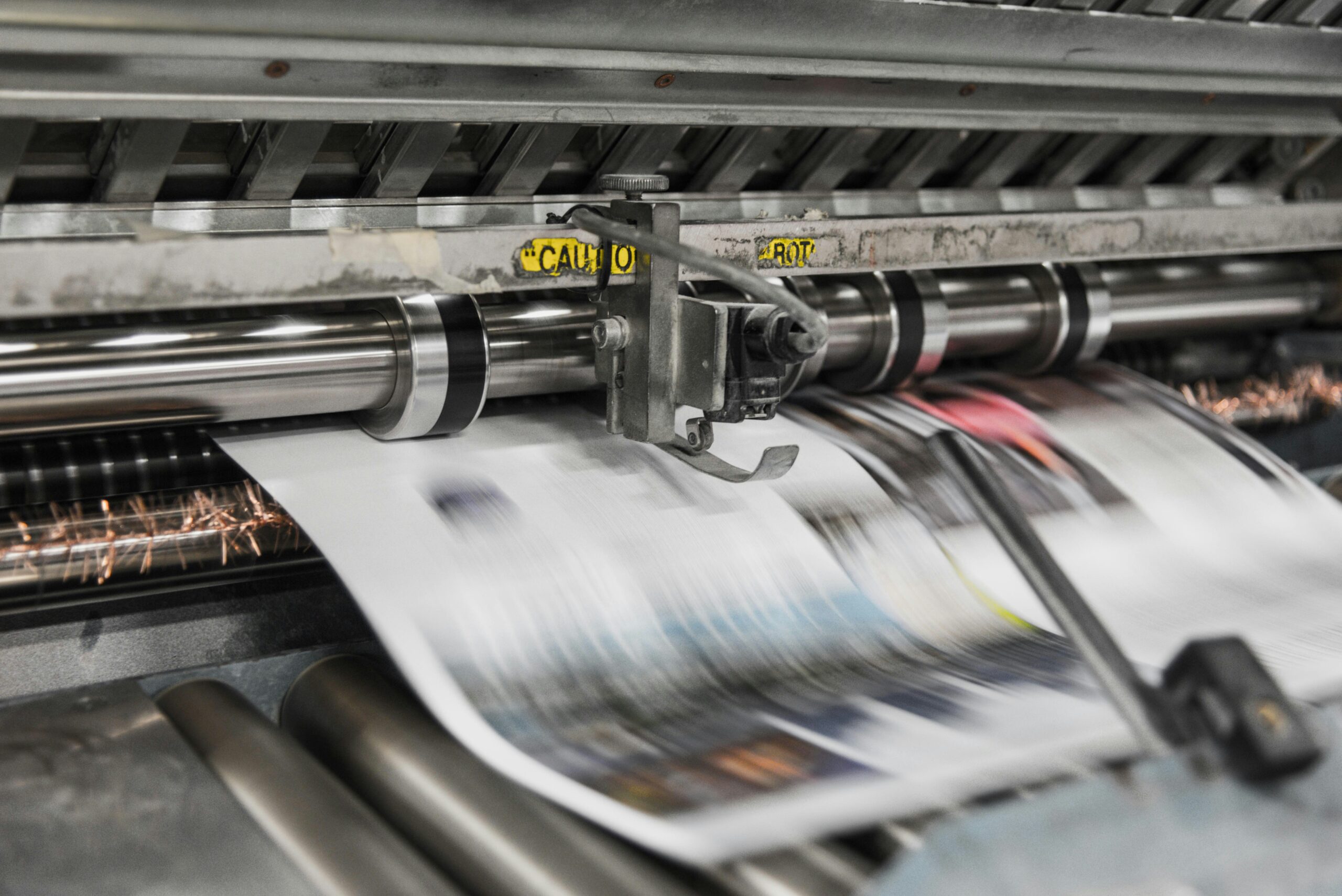

Today, let’s talk about something really exciting: making paper stretchier! Why is this important? Well, you probably see plastic packaging everywhere. It’s strong, it can be molded into almost any shape, and it protects products well. But we all know plastic has a big downside for our planet.
Plastic waste is a huge issue. It piles up in landfills, pollutes our oceans, and takes hundreds of years to break down. Many customers and businesses are looking for better options – materials that work well but are kinder to the Earth. That’s where paper comes in!
Paper is wonderful. It comes from trees, a renewable resource. It can be recycled easily. Using paper packaging shows your customers you care about sustainability. Check out some great sustainable packaging options we offer!
But paper has its challenges. If you’ve ever tried to wrap an odd-shaped gift, you know paper can tear easily if you pull it too tight or try to bend it too much. Regular paper doesn’t stretch much. This makes it hard to use paper for packaging that needs complex shapes, like:
Imagine trying to make a deep bowl out of a normal piece of printer paper – it would just rip! This lack of stretchiness, or extensibility, has limited how we can use paper, especially when trying to replace those versatile plastic containers.
But what if we could change that? What if we could give paper more give, more stretch? That’s exactly what we’re exploring. Making paper stretchier isn’t just a small improvement; it unlocks a whole new world of possibilities for strong, eco-friendly packaging. It means we can potentially use existing machines designed for plastic to make awesome 3D paper packages!
Okay, let’s get clear on what we mean by “stretchy.” In the world of materials, the technical term is extensibility.
Think about a rubber band. You can pull it, and it gets much longer before it snaps. That’s high extensibility. Now think about a dry twig. It barely bends before it breaks. That’s very low extensibility.
Extensibility simply means how much a material can stretch before it breaks when you pull on it. We usually measure it as a percentage. If a paper strip is 100 millimeters long and you can stretch it to 105 millimeters before it rips, it has an extensibility of 5%.
This difference is a major reason why plastic has been so popular for packaging that needs to be shaped or needs to withstand bumps and pulls.
You might think, “Do I really need my paper box to stretch like a rubber band?” Probably not that much! But even adding a little bit more stretch to paper makes a huge positive impact:
So, even going from 2% stretch to maybe 10% or 15% stretch can make paper suitable for jobs it couldn’t do before.
Why is paper so stiff compared to plastic? It comes down to how paper is made, right from the tiny wood fibers.
Paper starts as wood pulp, which is made of tiny fibers from trees. Inside these wood fibers are even tinier strands called cellulose microfibrils. Think of them like microscopic pieces of stiff thread, all bundled together very tightly and neatly, almost like tiny crystals.
While the long cellulose molecules themselves have some wiggle room, when they are packed together in these super-strong, stiff microfibril bundles, they don’t want to move or stretch much at all. These stiff little threads are what give wood its strength, but they also make the individual fibers quite rigid.
“These microfibrils are mostly crystalline… high in strength and very stiff. A single microfibril might only stretch about 1%.”
When you make paper, you’re essentially creating a tangled mat of these stiff fibers. While there’s some space between them, the fibers themselves don’t have much give. Pull on the paper, and those stiff fibers resist stretching, leading to the paper tearing quickly.
Plastics, on the other hand, are made of long, tangled polymer chains that can often slide past each other or uncoil, allowing the material to stretch significantly. It’s a fundamentally different structure at the microscopic level.
Knowing why paper isn’t stretchy helps us figure out how to make it stretchier! At Foho Packaging, we stay updated on the latest techniques. Papermakers and scientists have clever ways to improve paper’s stretch. We can work on three main areas:
Let’s look at each one in simple terms.
Can we change the basic building blocks? Yes, in a few ways:
When paper is made, the fibers stick together where they cross. Think of these connection points as spots of ‘glue’. How does this ‘glue’ affect stretchiness?
This is often where the biggest gains in stretchiness come from! It’s about how the whole network of fibers is arranged and treated, especially during drying.
So, we’ve talked about the different ways to make paper stretchier. Does it really work? Absolutely!
Let’s put some numbers on it to see the impact of these techniques.
| Material / Treatment | Typical Stretch (Extensibility) | Notes |
|---|---|---|
| Standard Printing Paper | 1-3% | Very low stretch, tears easily. |
| Standard Packaging Board | 2-5% | Slightly better, but still limited. |
| Paper with HC Refining | 5-10% | Kinks in fibers add some stretch. |
| Paper Dried with Shrinkage | 5-20%+ | Depends heavily on amount of free shrinkage. |
| Paper with In-Plane Compression (Clupak/Expanda) | Add 10-15% (MD) | Primarily adds stretch in one direction. |
| Advanced Combinations | >30% | E.g., Foam Forming + Fibers + Shrinkage + Compression |
| Many Plastic Films | 100% – 500%+ | Much higher, different material structure. |
As you can see, while we might not reach plastic levels easily, we can make huge improvements over standard paper! Getting paper to stretch 15%, 20%, or even 30% opens up so many applications.
Here’s a simple chart showing how a treatment like allowing shrinkage or using mechanical compression can boost stretch:
(Chart shows example improvement – actual values vary)
This visual helps understand the potential jump in performance we can achieve.
The really exciting part is that these methods often work together! You can:
Researchers are actively exploring these combinations. As mentioned, work published in 2024 combined foam forming (allowing long fibers), special additives, letting the paper shrink, and using mechanical compression. The result? Paper that could stretch 30% or more! This kind of performance gets really close to what’s needed for many molded packaging applications. Finding reliable sources like this review on boosting paper extensibility helps us understand the foundation of these techniques. We also consider how fiber modifications, like those discussed in studies on refining effects, contribute to the final properties. Work on optimizing shrinkage also provides valuable insights.
This isn’t just interesting science; it has real benefits for businesses looking for better, more sustainable packaging. At Foho Packaging, we leverage this knowledge to help you.
The biggest win is the ability to create 3D formed paper packaging. With stretchier paper, we can design and produce:
This allows you to move away from less eco-friendly materials without sacrificing performance or design possibilities. Need ideas? Explore our options for custom packaging design.
Not every project needs 30% stretch! Sometimes, just increasing toughness with a modest boost in extensibility is enough. The best approach depends on:
We can help you navigate these options. Whether it’s selecting a paperboard with enhanced properties or exploring possibilities like molded pulp, we’ll work with you to find the smartest solution. Maybe a slightly stretchier paper combined with clever structural design is all you need! Check out our variety of paper box packaging solutions.
Let’s wrap up the main points:
Improving paper’s stretchiness is a key part of the future of sustainable packaging. At Foho Packaging, we’re excited to use these advancements to help you create packaging that’s good for your product, your brand, and the planet.
Q1: Is stretchy paper as strong as plastic?
A: It depends! While we can significantly increase paper’s stretch and toughness, it has different properties than plastic. For many applications requiring complex shapes and good durability, enhanced paper is becoming a fantastic, sustainable alternative. We can match the performance needed for specific uses, but it might not behave exactly like plastic in all situations.
Q2: Does making paper stretchy make it harder to recycle?
A: Generally, no. The methods described mainly involve mechanical treatments of the fibers or using standard papermaking additives (like starch). These usually don’t interfere with the normal paper recycling process. Using unusual additives or coatings would need separate consideration, but the core techniques for improving stretch are recycling-friendly.
Q3: Can you print on stretchy paper easily?
A: Yes. While some methods (like heavy creping) create a textured surface, papers made stretchier through internal fiber changes, shrinkage, or light mechanical compression generally maintain a good surface for printing high-quality graphics.
Q4: Is this type of paper much more expensive?
A: There can be an added cost depending on the techniques used. Simple improvements might have minimal impact, while advanced combinations or special processes like foam forming will likely cost more than standard paperboard. However, compared to the environmental cost of plastic or the potential benefits (like improved product protection or enhanced brand image), it’s often a worthwhile investment. We can help find the right balance of performance and cost for you.
Q5: Can Foho Packaging make 3D formed packaging using stretchy paper?
A: Absolutely! We work with materials and processes that leverage these principles, including molded pulp and selecting paperboards with enhanced forming properties. Tell us about your project, and we can explore the best options using today’s innovative paper technologies!
📧 Email us at: sales@fohopackaging.com 📞 Contact us on WhatsApp: +86 136 1533 5353
You can leave any questions. We will see and answer you.