Zibo City, Shandong Province

Have Any Questions?

10 AM – 6 PM
Zibo City, Shandong Province
Have Any Questions?
10 AM – 6 PM

Have Any Questions?

The cold chain is more than just refrigeration; it’s a carefully orchestrated system that ensures temperature-sensitive products remain within a specified temperature range from manufacturing to the end consumer. This unbroken chain of temperature control is paramount for maintaining the safety and efficacy of a vast array of goods. But why is cold chain packaging so critical, and what industries depend on its flawless execution?
Cold chain packaging refers to the methods and materials used to protect products that must be kept at specific low temperatures throughout their journey. This includes everything from initial packaging at the production facility to transportation, storage, and final delivery. The purpose of cold chain packaging is to maintain product integrity by preventing temperature fluctuations that could compromise quality, safety, and shelf life. Without effective cold chain packaging, temperature-sensitive goods are at risk of spoilage, degradation, and becoming unsafe for consumption or use.
The importance of cold chain packaging cannot be overstated. It is the backbone of industries that rely on delivering perishable and temperature-sensitive items across vast distances and complex supply chains. A robust cold chain system minimizes waste, ensures product quality, and protects consumer safety.
Numerous industries are heavily reliant on effective cold chain solutions. Perhaps the most obvious is the food industry. From fresh produce and meats to dairy and frozen foods, a vast portion of the food supply chain depends on maintaining cold temperatures to prevent bacterial growth and spoilage. Imagine the implications for global food security if cold chains were to fail – widespread food waste and potential health crises.
The pharmaceutical and biotechnology industries are equally, if not more, dependent on the cold chain. Many life-saving drugs, vaccines, and biological samples require precise temperature control, often within very narrow ranges. Temperature excursions outside these ranges can render medications ineffective or even dangerous. The integrity of the cold chain in these sectors directly impacts patient health and well-being. Paper 3, Temperature Controlled Packaging for Pharmaceutical Cold Chain: Design and Qualification, delves deeply into the stringent requirements of pharmaceutical cold chain, highlighting the critical nature of temperature control.
Beyond these giants, other sectors also benefit from and rely on cold chain logistics, including:
The consequences of cold chain failures are far-reaching and often carry a high cost. In the food industry, temperature breaches lead to product spoilage, resulting in significant financial losses for businesses and contributing to global food waste. Spoiled food is not only a financial burden but also an ethical concern in a world grappling with food insecurity.
In the pharmaceutical sector, cold chain failures can have even more dire consequences. Compromised medications can become ineffective, leading to treatment failures and potentially endangering patient lives. The financial losses due to spoiled pharmaceuticals are also substantial, but pale in comparison to the potential human cost. Beyond product loss, cold chain failures can also lead to:
Traditional cold chain packaging often relies heavily on non-recyclable materials like expanded polystyrene (EPS) foam and single-use plastics. While these materials offer insulation properties, they pose significant sustainability concerns. EPS foam is notoriously difficult to recycle and persists in landfills for centuries. The sheer volume of cold chain packaging used globally generates a massive amount of plastic waste, contributing to pollution and environmental degradation.
Furthermore, the production and disposal of these materials often have a high carbon footprint. The energy-intensive manufacturing processes and the greenhouse gases released during incineration or landfill decomposition exacerbate climate change. There is a growing need for more sustainable cold chain packaging solutions that minimize environmental impact without compromising product protection and temperature control. This aligns with the focus of Paper 2, Sustainable Cold Chain Logistics Network Design with Corrugated Packaging for Fresh Food Distribution, which advocates for eco-friendly alternatives in cold chain logistics.
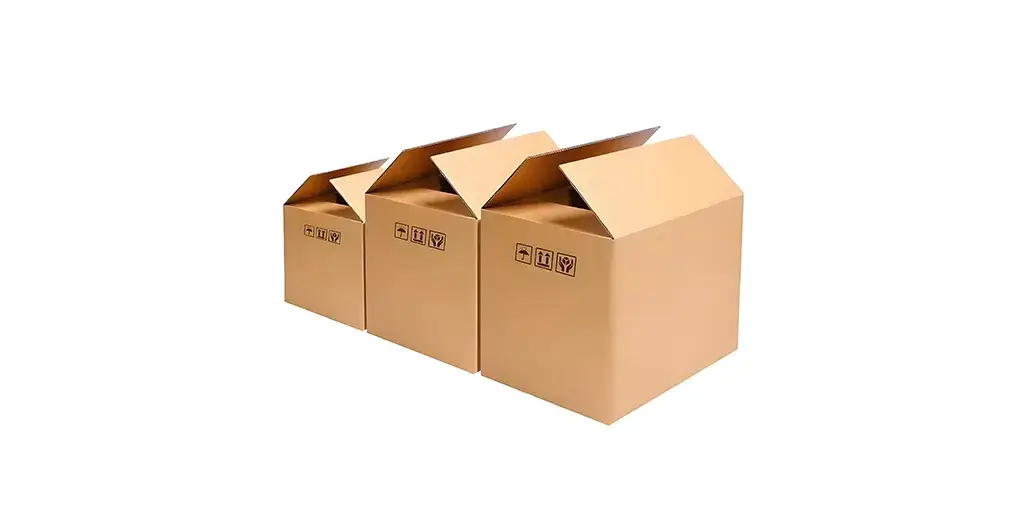
In the face of these challenges – the critical need for effective cold chain, the high costs of failure, and growing sustainability concerns – flap boxes are emerging as a smart and increasingly viable solution. While traditionally associated with ambient shipping, innovative modifications and material science are transforming flap boxes into powerful contenders in the temperature-controlled packaging arena.
At their core, flap boxes for cold chain are still based on the familiar design of corrugated cardboard boxes. However, these are not your average cardboard boxes. They are engineered with specific modifications and materials to enhance their thermal performance and suitability for cold chain applications. The key is leveraging the inherent advantages of flap boxes – their versatility, customizability, and recyclability – and enhancing them to meet the demands of temperature-sensitive logistics.
Think of them as adaptable building blocks. The basic flap box structure provides a foundation, and then layers of insulation, specialized coatings, and precise design elements are added to transform them into effective cold chain containers. This approach offers a compelling alternative to traditional, less sustainable options.
The magic of flap boxes in cold chain lies in their adaptability. Several key modifications in packaging materials and design enable them to effectively maintain temperature control:
Insulation is the heart of cold chain flap box effectiveness. The primary role of the insulation material within the box is to slow down heat transfer. This means preventing external heat from entering the box and maintaining the cool temperature inside for as long as possible. Effective insulation is achieved through materials that:
Best packaging practices for cold chain flap boxes involve:
Beyond insulation, the overall design of the flap box contributes significantly to temperature integrity. Key design considerations include:
By carefully considering these design elements and material choices, flap boxes can be engineered to provide reliable temperature control for a wide range of cold chain applications.
The growing global focus on environmental responsibility is reshaping industries, and cold chain logistics is no exception. Traditional cold chain packaging, often reliant on non-biodegradable materials, is facing increasing scrutiny. Recyclable flap boxes offer a compelling sustainability advantage, aligning with the needs of eco-conscious businesses and contributing to a greener cold chain.
Recyclability is no longer a niche concern; it’s a crucial factor in modern packaging decisions, especially for cold chain applications. Consumers are increasingly demanding sustainable products and practices, and businesses are under pressure to reduce their environmental footprint. In cold chain logistics, where packaging volumes are substantial, the shift towards recyclability is particularly impactful.
Choosing recyclable packaging addresses several key sustainability imperatives:
Flap boxes, made from corrugated cardboard, stand out as an eco-friendly packaging solution in the cold chain context. Corrugated cardboard boasts impressive recyclability rates globally, and well-established recycling infrastructure exists in many regions. Compared to EPS foam and many plastic alternatives, corrugated cardboard offers a significantly more sustainable end-of-life option.
Choosing flap boxes made from recycled content further amplifies their environmental benefits. Manufacturers like Foho Packaging are increasingly utilizing recycled fibers in corrugated board production, reducing reliance on virgin resources and promoting a closed-loop system. By opting for recycled content flap boxes, businesses can make a tangible contribution to environmental conservation.
Switching to recyclable flap boxes for cold chain packaging is a direct and effective way to reduce your environmental footprint. The positive impacts extend across multiple areas:
Beyond the direct environmental benefits, choosing sustainable cold chain packaging like recyclable flap boxes offers significant brand advantages. In today’s market, consumers are increasingly influenced by a brand’s environmental values. Highlighting your use of eco-friendly packaging can:
By embracing recyclable flap boxes, businesses can not only solve their cold chain packaging problems but also enhance their brand value and contribute to a more sustainable future.
Beyond sustainability, flap boxes offer a compelling array of benefits that make them a smart choice for cold chain packaging. From superior temperature insulation to cost-effectiveness and customization, let’s delve into the key advantages that position flap boxes as a leading solution in temperature-controlled logistics.
While standard cardboard boxes offer minimal insulation, cold chain flap boxes, with their modifications, provide superior temperature insulation. The addition of insulated liners, multi-layered corrugated board, and thermal coatings significantly enhances their ability to maintain internal temperatures. Compared to basic cardboard boxes, cold chain flap boxes can:
While perhaps not offering the extreme insulation of specialized, bulky thermal shippers, cold chain flap boxes provide a practical and cost-effective level of insulation suitable for many cold chain applications, especially shorter transit times or less extreme temperature requirements. Paper 1, Corrugated board packaging with improved thermal insulation for cold chain applications, explores ongoing advancements in enhancing the insulation properties of corrugated board, further boosting the performance of flap boxes in cold chain.
Cost is a critical factor for any business, and cold chain logistics can be expensive. Flap boxes, especially when sourced as wholesale flap boxes, offer a cost-effective alternative to many traditional cold chain packaging solutions. Compared to rigid plastic containers or specialized thermal shippers, flap boxes are generally:
By choosing wholesale flap boxes for cold chain, businesses can achieve significant cost savings without compromising on essential temperature control and product protection, making it a financially prudent decision.
Customization is another key advantage of flap boxes in cold chain. Unlike some pre-fabricated cold chain containers, flap boxes can be custom-designed to meet the specific needs of every product. This includes:
This level of best custom options ensures that your cold chain packaging is perfectly tailored to your products, maximizing protection, minimizing waste, and enhancing brand presentation. Manufacturers like Foho Packaging specialize in providing these custom cold chain flap box solutions.
While often perceived as less robust than plastic, cold chain flap boxes, when properly designed and constructed, offer excellent durability and protection during transit. Corrugated cardboard, especially when combined with liners and coatings, provides:
For many cold chain applications, particularly for lighter to medium-weight products, flap boxes provide ample durability and protection to ensure products arrive safely and in optimal condition.
In busy cold chain logistics operations, ease of handling and labeling are crucial for efficiency. Flap boxes excel in these areas:
These features contribute to smoother and more efficient cold chain operations, saving time and labor costs while minimizing handling errors.
Just as cold chain requirements vary widely depending on the product being shipped, so too do the types of flap boxes designed for these specific needs. Understanding the different types available allows you to select the most appropriate option for your particular cold chain application.
Insulated flap boxes with added thermal liners are the most common and versatile type for cold chain packaging. As discussed earlier, these boxes utilize various types of insulation liners inserted within a standard corrugated flap box. This category encompasses a broad range of liner materials and thicknesses, allowing for customization based on temperature sensitivity and transit duration. They are suitable for a wide array of temperature-controlled goods, from food and beverages to pharmaceuticals and biological samples, offering a balance of performance and cost-effectiveness.
In cold chain environments, moisture can be a significant challenge. Condensation and humidity can compromise insulation performance and weaken corrugated board. Corrugated flap boxes with specialized coatings for moisture resistance address this issue. These coatings, applied to the exterior and sometimes interior of the box, create a barrier against moisture ingress. They are crucial for applications where humidity is a concern, such as shipping chilled or frozen goods, or in environments with high humidity levels. These coatings help maintain the integrity of the box and the effectiveness of the insulation.
While most cold chain packaging aims for minimal air exchange, certain specific applications require controlled ventilation. For example, some types of fresh produce respire, releasing heat and gases. For these products, vented flap boxes are designed with carefully placed ventilation holes to allow for limited airflow, preventing the buildup of heat and gases while still maintaining a degree of temperature control. These boxes often incorporate filters over the vents to prevent contaminant entry while allowing air exchange. Vented flap boxes are a niche but essential solution for specific segments of the fresh food cold chain.
For bulk cold chain shipments involving heavier products or larger volumes, heavy-duty flap boxes are necessary. These boxes are constructed from double or triple wall corrugated board and may incorporate reinforced designs to provide exceptional strength and stacking capacity. They are designed to withstand the stresses of handling and transportation of heavier loads while maintaining cold chain integrity. Heavy-duty cold chain flap boxes are suitable for wholesale distribution, large-volume shipments, and applications where box robustness is paramount.
Creating effective cold chain flap boxes requires careful planning and design. To start designing today, consider these key steps and considerations to ensure your packaging meets your specific cold chain requirements:
The first and most critical step is to precisely define the temperature requirements of your product. What is the acceptable temperature range? Are there critical temperature limits that must not be exceeded? Is temperature stability more important than maintaining a specific low temperature? Understanding these parameters is fundamental to selecting appropriate insulation and coolant levels. Different products have vastly different temperature sensitivities, and precise requirements must be established upfront.
Based on your product’s temperature needs and transit conditions, select appropriate insulation and packaging materials. Consider:
Optimal box dimensions and style are crucial for thermal efficiency and cost-effectiveness. Consider:
Labeling and tracking are essential components of cold chain compliance and traceability. Incorporate these elements into your box design:
By thoughtfully addressing these design considerations, you can create cold chain flap boxes that are effective, efficient, and tailored to your specific product and logistical needs.
Cold chain integrity is paramount – a failure can lead to product spoilage, safety risks, and financial losses. Therefore, quality control and testing of flap boxes are essential steps in ensuring reliable temperature-controlled packaging.
Quality control is not just about box construction; it’s about verifying that every aspect of the cold chain packaging system performs as intended. This includes:
Rigorous quality control throughout the manufacturing process minimizes the risk of packaging failures and ensures consistent cold chain performance.
While specific industry-wide standards for cold chain flap boxes may be evolving, several general testing standards and best practices apply to temperature-controlled packaging:
Working with packaging suppliers who understand and adhere to relevant testing standards is crucial for ensuring the reliability of your cold chain flap box solutions.
To ensure the quality and reliability of your cold chain flap boxes, partnering with certified and reputable packaging suppliers like Foho Packaging is highly recommended. Certified suppliers often:
Partnering with a reliable supplier provides assurance that your cold chain flap boxes will meet the required quality standards and perform effectively in protecting your temperature-sensitive products.
Branding and labeling are not just about aesthetics for cold chain flap boxes; they are essential for compliance, traceability, and operational efficiency. Clear and accurate labeling ensures that cold chain shipments are handled correctly, meet regulatory requirements, and maintain product integrity throughout the supply chain.
Essential labeling requirements for cold chain shipments vary depending on the industry and destination, but generally include:
Accurate and complete labeling is crucial for regulatory compliance, efficient handling, and ensuring that cold chain shipments reach their destination without temperature breaches or misdirection.
While compliance is paramount, branding opportunities should not be overlooked on cold chain flap boxes. Even in temperature-sensitive logistics, branding can:
Branding can be integrated with essential labeling, ensuring both compliance and brand enhancement.
Labels can also play a key role in temperature monitoring and tracking within the cold chain. Advanced labeling options include:
Utilizing these smart labeling technologies can significantly enhance cold chain monitoring, provide valuable data for quality assurance, and improve overall cold chain management.
For businesses seeking reliable, sustainable, and customized recyclable cold chain flap box solutions, Foho Packaging is your ideal expert partner. We combine deep industry knowledge with cutting-edge manufacturing capabilities to deliver packaging that meets the stringent demands of cold chain logistics while prioritizing environmental responsibility.
Foho Packaging possesses extensive expertise in cold chain packaging design. Our team of packaging engineers and designers understands the complexities of temperature-controlled logistics and can create flap box solutions tailored to your specific product requirements. We consider factors like:
Leveraging our expertise, we design cold chain flap boxes that are optimized for performance, efficiency, and sustainability.
Customization is at the heart of our cold chain flap box offerings. We provide customizable and wholesale flap boxes available in various styles, including:
We work closely with you to understand your unique needs and create packaging solutions that are precisely tailored to your products and cold chain requirements. Like our Colorful Corrugated Box and Shipping boxes, our cold chain flap boxes are manufactured with the highest quality standards.
Ready to solve your cold chain packaging problems with smart and sustainable flap box solutions? Request a quote from Foho Packaging today! Our team will promptly assess your needs and provide a competitive quote for custom-designed, high-quality cold chain flap boxes. We are committed to providing cost-effective solutions without compromising on performance or sustainability.
By partnering with Foho Packaging, you gain a reliable ally in your cold chain logistics operations. We are dedicated to providing:
Let Foho Packaging be your trusted partner in ensuring the integrity and sustainability of your cold chain.
Still curious about using flap boxes for your cold chain needs? Here are some frequently asked questions to provide further clarity:
Q: Are flap boxes as effective as EPS foam boxes for cold chain?
A: While EPS foam offers excellent insulation, cold chain flap boxes with appropriate insulation liners can provide comparable thermal performance for many applications, especially for shorter transit times or moderate temperature requirements. Flap boxes offer the added advantage of recyclability.
Q: Can flap boxes maintain frozen temperatures?
A: Yes, with sufficient insulation and appropriate amounts of dry ice or other cryogenic coolants, heavy-duty insulated flap boxes can be used to maintain frozen temperatures for certain durations. However, for very long frozen transit times, specialized cryogenic shippers might be necessary.
Q: Are cold chain flap boxes more expensive than traditional packaging?
A: While the initial material cost of a basic flap box might be lower, the overall cost depends on the specific insulation, customization, and volume. However, wholesale flap boxes can be very cost-competitive, and the sustainability benefits can offer long-term value.
Q: How do I ensure my cold chain flap boxes are compliant with regulations?
A: Work with a reputable supplier like Foho Packaging who understands cold chain regulations and can provide compliant packaging solutions. Ensure proper labeling, temperature monitoring, and documentation are in place.
Q: Can I reuse cold chain flap boxes?
A: Depending on the design and application, some robust cold chain flap boxes can be designed for reuse. However, for many food and pharmaceutical applications, single-use recyclable boxes are preferred for hygiene and safety reasons.
In Conclusion:
Internal Links:
📧 Email us at: sales@fohopackaging.com 📞 Contact us on WhatsApp: +86 136 1533 5353
You can leave any questions. We will see and answer you.