Zibo City, Shandong Province

Have Any Questions?

10 AM – 6 PM
Zibo City, Shandong Province
Have Any Questions?
10 AM – 6 PM

Have Any Questions?
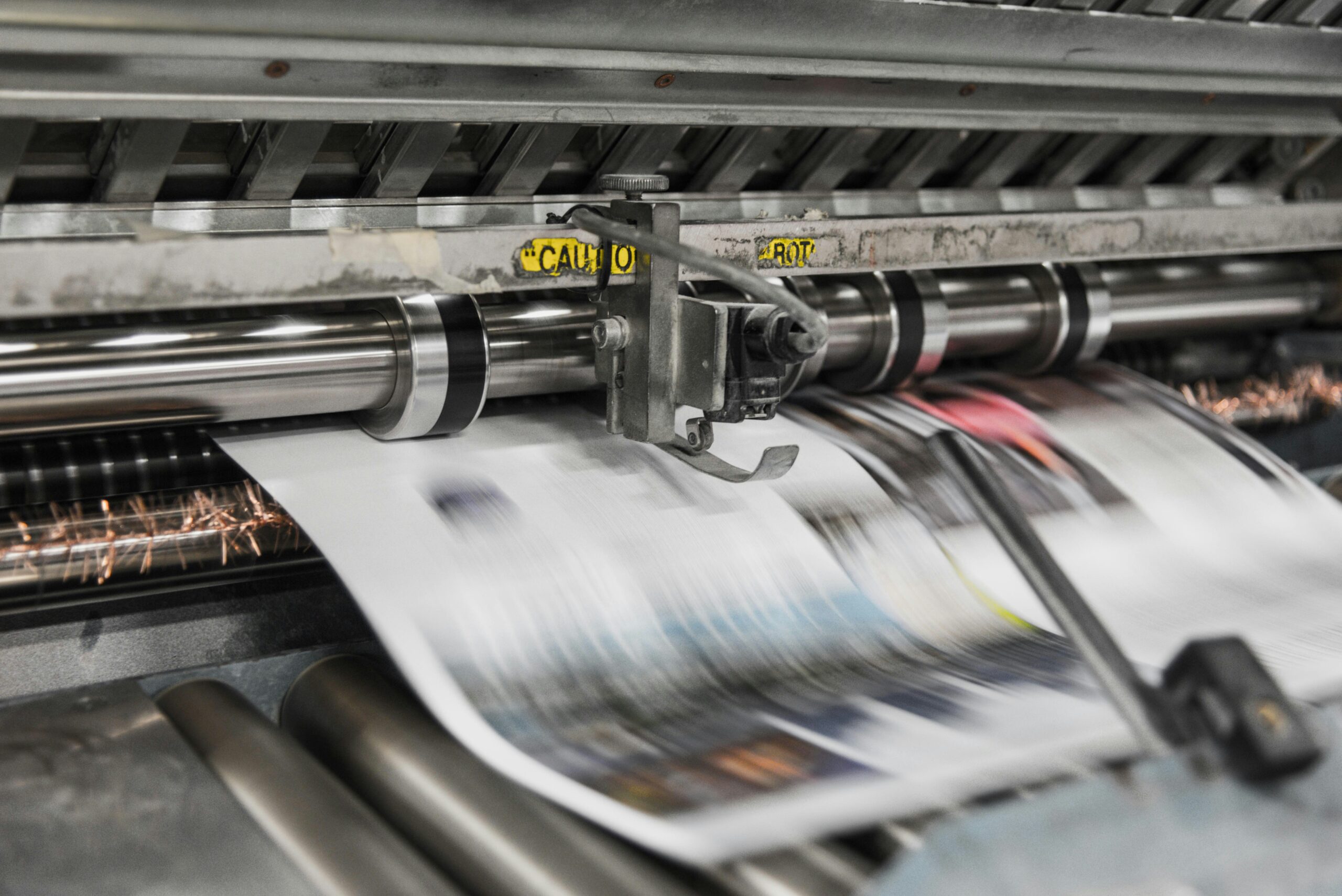

Is international shipping logistics feeling too complex? Worried about packaging costs and compliance? Flap boxes can simplify your global shipping strategy. This guide reveals how choosing flap boxes can lead to logistics success in the international market. International shipping logistics involves navigating complex regulations, long transit times, and varied handling conditions. Effective packaging is crucial to ensure products arrive safely and efficiently. Many businesses successfully use flap boxes for international shipments, leveraging their versatility and cost-effectiveness. In this ultimate guide, we’ll show you how to make international shipping made simple with flap boxes. We’ll cover key considerations, best practices, compliance tips, and demonstrate why flap boxes are a smart choice for your global packaging needs. Learn how to achieve logistics success with the right packaging partner. This guide aims to demystify international shipping packaging and provide you with actionable strategies for success.
Venturing into international shipping logistics can feel like navigating a maze of regulations, costs, and complexities. For businesses expanding their reach globally, simplifying packaging without compromising on safety and efficiency is crucial. Flap boxes, the unassuming workhorses of the packaging world, offer a surprisingly effective solution for streamlining your international shipping strategy. Let’s explore why flap boxes deserve serious consideration for your global logistics needs.
International shipping logistics is inherently more complex than domestic shipping. Longer distances, multiple handling points, diverse transportation modes, and stringent customs regulations all add layers of intricacy. Flap boxes, with their inherent simplicity, can help to cut through some of this complexity:
Standardized Design: The straightforward design of flap boxes means they are universally understood and easily handled across different countries and logistics systems. This standardization reduces confusion and potential errors in handling.
Easy to Source Globally: Flap boxes are a globally recognized and manufactured packaging format. This means you can often source compliant flap boxes in various locations, potentially simplifying your supply chain and reducing lead times, even when shipping internationally.
Straightforward Packing Procedures: The simple structure of flap boxes lends itself to standardized and easily trainable packing procedures. This is particularly valuable for international operations where you might be working with diverse teams and fulfillment centers across different countries.
Efficient for Palletization and Containerization: The rectangular shape of flap boxes makes them highly efficient for palletization and container loading, optimizing space utilization in shipping containers and warehouses, a key factor in international freight logistics.
By opting for flap boxes, businesses can introduce a degree of simplicity and standardization into their international shipping logistics, making the entire process more manageable and less prone to errors.
Beyond simplification, flap boxes offer specific advantages that are particularly valuable in the context of international shipping logistics:
Cost-Effectiveness for Long Distances: For long-haul international shipments, minimizing packaging weight is crucial to control freight costs. Flap boxes, being lightweight yet robust, help reduce shipping expenses compared to heavier alternatives like wooden crates, especially when shipping by air freight or less-than-container load (LCL) sea freight.
Versatility for Diverse Products: International shipping logistics often involves a wide range of product types and sizes. Flap boxes are adaptable enough to accommodate diverse goods, from manufactured components to retail products, reducing the need for multiple specialized packaging solutions.
Recyclability for Global Markets: Recyclable packaging is increasingly important in international trade, with many countries and regions emphasizing environmental responsibility. Flap boxes, being highly recyclable, align with these global sustainability trends and can enhance your brand image in international markets.
Availability of Wholesale Options Globally: The widespread manufacturing of flap boxes means you can often find reliable wholesale suppliers in different regions, potentially simplifying procurement for your international operations and reducing reliance on long-distance packaging sourcing.
The versatility of flap boxes truly shines in the context of international shipping logistics, where businesses often deal with a wide array of products and destinations. Flap boxes can effectively handle:
Varied Product Sizes and Weights: From smaller components to moderately sized equipment, flap boxes can be adapted to different dimensions and weight requirements by choosing appropriate box sizes and cardboard strengths (single, double, or triple wall).
Different Transportation Modes: Flap boxes are suitable for various international transportation modes, including sea freight (containerized shipments), air freight (lighter shipments), and even cross-border trucking (regional shipments).
Diverse Climatic Conditions: While not waterproof, flap boxes can be treated with water-resistant coatings or used in conjunction with internal moisture barriers to protect products from humidity and varying climatic conditions encountered during international transit.
Shipments to Multiple Destinations: The standardized nature of flap boxes simplifies packaging and handling for shipments destined for diverse international markets, streamlining logistics operations regardless of the final destination.
This versatility makes flap boxes a truly adaptable and practical packaging solution for businesses engaged in diverse international shipping logistics scenarios.

Before committing to flap boxes for international shipping logistics, it’s crucial to understand the unique demands and requirements of global transit. International shipments face challenges that domestic shipments typically do not.
Packaging for international shipping logistics must be designed to withstand a more demanding journey than domestic shipments. Key challenges include:
Longer Transit Times: International shipments often endure significantly longer transit times, increasing the duration of potential exposure to rough handling, vibrations, and varying environmental conditions.
Multiple Handling Points: International packages typically pass through numerous handling points – from warehouses to ports, onto ships or planes, and through customs inspections – each increasing the risk of damage from impacts and mishandling.
Varied Climatic Conditions: Shipments crossing continents can encounter extreme temperature fluctuations, humidity changes, and exposure to rain or snow, requiring packaging that can protect products from these diverse conditions.
Stacking and Compression: During containerized sea freight or air freight consolidation, packages may be stacked high and subjected to significant compression forces, necessitating robust packaging with high stacking strength.
Risk of Pilferage and Tampering: International shipments may be more vulnerable to pilferage or tampering during long transit times and through multiple handling points, requiring secure packaging that is not easily opened or compromised.
These challenges underscore the need for packaging that goes beyond basic protection and is specifically engineered to withstand the rigors of international shipping logistics. As highlighted in “International Logistics: Global Supply Chain Management,” understanding these transit challenges is crucial for effective global logistics planning.
Given these challenges, robust packaging is not just recommended for international shipping logistics – it’s essential. Inadequate packaging can lead to:
Product Damage: Insufficient protection increases the risk of products being damaged during transit, resulting in returns, refunds, and dissatisfied international customers.
Increased Shipping Costs (Indirect): Damaged goods often lead to costly reverse logistics, reshipments, and potential loss of future business, indirectly increasing your overall shipping expenses.
Delays and Customs Issues: Damaged packaging can raise red flags during customs inspections, leading to delays, additional scrutiny, and potential fines or rejection of shipments.
Brand Reputation Damage: Receiving damaged goods can severely harm your brand reputation in international markets, especially when entering new territories where first impressions are critical.
Higher Insurance Premiums: If you frequently ship goods with inadequate packaging and experience frequent damage claims, your insurance premiums for international shipments may increase significantly.
Investing in robust packaging, even if it means slightly higher upfront costs, is a crucial risk mitigation strategy for international shipping logistics, protecting your products, your profits, and your brand reputation in the global marketplace.
Packaging for international shipping logistics must also adhere to various international standards and regulations to ensure smooth customs clearance and avoid delays or penalties. Key considerations include:
ISPM 15 (International Standards For Phytosanitary Measures No. 15): If using wooden pallets or dunnage in your flap box shipments, ensure they comply with ISPM 15 regulations, which require heat treatment or fumigation and proper marking to prevent the spread of pests across borders.
Packaging Waste Directives (e.g., EU Packaging and Packaging Waste Directive): Be aware of packaging waste directives in your destination markets, particularly in regions like the European Union. These directives may impose requirements on packaging recyclability, material content, and labeling for environmental compliance.
Dangerous Goods Regulations (e.g., IATA Dangerous Goods Regulations for air freight): If shipping any items classified as dangerous goods (even in small quantities), ensure your flap box packaging complies with all relevant dangerous goods regulations for the chosen mode of transport (air, sea, or road). This often involves specific labeling, documentation, and packaging material requirements.
Country-Specific Regulations: Be aware of any country-specific packaging regulations or labeling requirements in your destination markets. Some countries may have unique rules regarding language on labels, accepted packaging materials, or specific documentation requirements for certain types of goods.
Thoroughly researching and complying with all relevant international packaging standards and regulations is essential to avoid costly delays, fines, or shipment rejections in international shipping logistics.
Selecting flap boxes for international shipping logistics requires careful consideration of factors that go beyond typical domestic shipping requirements. You need to choose boxes that are truly built for the global journey.
For international shipping logistics, standard flap boxes are rarely sufficient. You need to prioritize heavy-duty and durable options:
Double Wall or Triple Wall Corrugated Cardboard: Always opt for double wall flap boxes as a minimum for most international shipments. For heavier or more fragile items, triple wall flap boxes provide the extra strength and protection needed for long transit times and multiple handling points.
High ECT Rating and Bursting Strength: Specify corrugated cardboard with high Edge Crush Test (ECT) and bursting strength ratings to ensure your flap boxes can withstand stacking pressure, impacts, and rough handling typical of international shipping logistics.
Moisture-Resistant Options: Consider flap boxes made with moisture-resistant coatings or waterproof liners, especially if shipping to humid climates or via sea freight where exposure to moisture is a concern.
Reinforced Construction: Look for flap boxes with reinforced corners, edges, and seams for enhanced structural integrity and crush resistance. Some heavy-duty options even feature metal staples or stitching for added durability.
Investing in heavy-duty flap boxes is a crucial upfront cost for successful international shipping logistics, minimizing the risk of damage and ensuring your products are well-protected throughout their global journey.
As mentioned earlier, double wall and triple wall flap boxes are critical for robust international shipping logistics:
Double Wall Flap Boxes: These are your workhorse for most international shipments. The five-layer construction provides a significant step up in strength and protection compared to single-wall boxes, offering excellent stacking strength and puncture resistance for a wide range of products.
Triple Wall Flap Boxes: Reserve triple wall flap boxes for your most demanding international shipments – extremely heavy, bulky, or highly fragile items. The seven-layer construction provides near-crate-like protection in a more cost-effective and lightweight format. Triple wall boxes are essential for high-value or sensitive equipment where damage is simply not an option.
Carefully assess the protection needs of your products and choose between double wall and triple wall flap boxes accordingly for your international shipping logistics.
Box size and dimensions are even more critical for international shipping logistics due to cost and regulatory factors:
Dimensional Weight Pricing: International freight carriers heavily rely on dimensional weight pricing. Minimize box dimensions to reduce dimensional weight charges, especially for lighter but bulky items. Choose snug-fitting flap boxes and optimize internal packaging to reduce overall package volume.
Palletization Efficiency: Select flap box dimensions that efficiently fit standard international pallet sizes (e.g., Euro pallets or standard ISO pallets). Optimized palletization reduces shipping costs and simplifies handling at ports and warehouses.
Container Optimization: If shipping full container loads (FCL) via sea freight, choose flap box dimensions that maximize container utilization. Efficient container loading minimizes per-unit shipping costs and optimizes your logistics budget.
Country-Specific Size Restrictions: Be aware of any country-specific size or dimensional restrictions for packages entering your destination markets. Some countries may have limitations on maximum package dimensions for standard shipping or postal services.
Optimizing flap box sizes and dimensions for international shipments is a key strategy for controlling costs, maximizing efficiency, and ensuring compliance with international shipping standards.
Even the strongest flap box is only as good as its packing. For international shipping logistics, meticulous packing and securing techniques are paramount to prevent damage over long distances and through multiple handling stages.
Generous and strategic internal packaging is non-negotiable for international shipping logistics:
Ample Cushioning: Use significantly more cushioning material than you would for domestic shipments. International transit demands robust cushioning to absorb shocks and vibrations over longer distances and more handling points.
High-Quality Cushioning Materials: Invest in high-quality cushioning materials like dense foam, multi-layer bubble wrap, and robust inflatable air pillows that offer superior shock absorption and compression resistance for demanding international journeys.
Custom Inserts for Fragile Items: For fragile or high-value items, utilize custom-designed foam or molded pulp inserts that precisely cradle the product and provide tailored protection against impacts and shifting.
Moisture Barriers: For moisture-sensitive products, incorporate moisture barrier materials like vapor barrier films, desiccant packs, or waterproof liners within the flap box to protect against humidity and condensation during international transit, especially via sea freight.
Robust internal packaging is your primary defense against damage during the rigors of international shipping logistics. As highlighted in “The Handbook of Logistics and Distribution Management,” proper cushioning and internal support are critical for protecting goods in transit .
Securely sealing flap boxes is even more critical for international shipping logistics to withstand rough handling and deter tampering:
Heavy-Duty Packaging Tape: Always use high-quality, heavy-duty packaging tape that is at least 2-3 inches wide. For international shipments, reinforced tape with filaments is highly recommended for maximum strength and tear resistance.
“H-Taping” Method: Employ the “H-taping” method on both the top and bottom of the flap box. This involves sealing the center seam and both edge seams completely, creating a robust and secure closure.
Edge and Corner Reinforcement: For heavier or more valuable international shipments, reinforce all edges and corners of the flap box with extra layers of packaging tape to enhance crush resistance and prevent corner damage, which is common in stacked international freight.
Water-Activated Tape (Gummed Tape): For maximum security and tamper-evidence, especially for high-value shipments, consider using water-activated tape. This tape creates a very strong, tamper-evident seal that is ideal for deterring pilferage in international shipping logistics.
Thorough and robust sealing is essential to maintain the integrity of your flap box packaging throughout the demanding international shipping process.
Proper weight distribution and load securing are crucial for preventing damage and ensuring stability during international shipping logistics:
Even Weight Distribution: Pack heavier items at the bottom of the flap box and lighter items on top to maintain a balanced weight distribution. Uneven weight distribution can lead to box collapse or shifting during handling.
Centralized Weight Placement: Position the heaviest items as close to the center of the flap box as possible to improve stability and reduce stress on the box walls.
Load Securing for Palletized Shipments: When palletizing flap boxes for international shipments, use stretch wrap, banding, and corner boards to create a stable and secure pallet load. Proper palletization minimizes the risk of boxes shifting or falling during forklift handling and transit.
“Do Not Stack” Considerations: If shipping exceptionally fragile or crush-sensitive items internationally in flap boxes, consider using “Do Not Stack” labels and potentially arranging for less-than-container load (LCL) shipments to minimize stacking pressure from other cargo.
Careful weight distribution and load securing are vital for maintaining package integrity and preventing damage during the often-rough handling of international shipping logistics.
Accurate and comprehensive labeling and documentation are not just best practices for international shipping logistics – they are mandatory for customs clearance and smooth transit.
Clear and Complete Addresses: Ensure both recipient and sender addresses are clearly and completely printed on the flap box, including full street address, city, state/province, postal code, and country. For international addresses, use the destination country’s address format and language conventions.
Contact Information: Include phone numbers and email addresses for both sender and recipient on the packaging labels to facilitate communication and resolve any delivery issues promptly.
Tracking Barcodes: Affix the international shipping carrier’s tracking barcode label prominently on the flap box, ensuring it is scannable and protected from damage. Multiple barcode labels on different sides of the box can improve scanning efficiency.
Country of Origin Labeling: Clearly mark the country of origin (“Made in China”) on the flap box, as required by customs regulations in many countries. Country of origin labeling is essential for customs clearance and determining applicable tariffs and duties.
Accurate and complete labeling is the foundation for smooth international shipping logistics and customs processing.
Beyond standard shipping labels, flap boxes for international shipping logistics require specific customs-related markings and documentation:
Commercial Invoice: Attach a commercial invoice to the outside of the flap box (in a clear plastic pouch) and include multiple copies inside the package. The commercial invoice is a critical customs document detailing the shipment’s contents, value, and other essential information for duty assessment and clearance.
Packing List: Include a detailed packing list inside the flap box, listing each item in the shipment, its quantity, weight, and value. The packing list helps customs officials verify the shipment’s contents and reconcile them with the commercial invoice.
Harmonized System (HS) Codes: Clearly indicate the Harmonized System (HS) code for each product on the commercial invoice and, ideally, on the packaging labels as well. HS codes are internationally standardized classification codes used to determine tariffs and regulate international trade. Accurate HS codes are crucial for smooth customs clearance and correct duty assessment.
“Fragile” and Handling Labels (in multiple languages): For flap boxes containing fragile items, use “Fragile” and “Handle with Care” labels in English and the language of the destination country to ensure proper handling by international carriers and handlers.
Accurate customs documentation and labeling are essential for avoiding delays, fines, or seizure of your flap box shipments by international customs authorities.
Clear handling instructions are crucial for international shipping logistics, especially when dealing with diverse handling personnel across different countries:
Multilingual Labels: Consider using multilingual labels with handling instructions and warnings in English and the language(s) of your primary destination markets. This ensures clear communication to handlers who may not be proficient in English.
Symbol-Based Labels: Supplement text-based labels with internationally recognized symbols for handling instructions (e.g., “Fragile” symbol, “Arrows Up” symbol, “Do Not Stack” symbol). Symbols transcend language barriers and are universally understood by handlers worldwide.
Keep it Simple and Clear: Use concise and unambiguous language on handling instruction labels. Avoid overly complex or technical wording that may be misinterpreted. Simple, direct instructions are most effective.
Prominent Placement: Place handling instruction labels prominently on all sides of the flap box to maximize visibility and ensure they are seen by handlers from any angle during transit.
Clear, multilingual, and symbol-based handling instructions on your flap box packaging improve communication across international logistics chains and minimize the risk of mishandling and damage.
While international shipping logistics can be expensive, flap boxes offer avenues for cost optimization without sacrificing essential protection and compliance.
Compared to more specialized or heavy-duty packaging for international shipping logistics, flap boxes often present a more budget-friendly option:
Lower Material Costs than Crates: As previously mentioned, corrugated cardboard is generally less expensive than wood, reducing the upfront packaging materials costs compared to wooden crates.
Lighter Weight = Lower Freight Costs: The lightweight nature of flap boxes directly translates to lower shipping costs, especially for air freight and LCL sea freight, where weight is a significant cost factor.
Reduced Labor for Assembly: Flap boxes are faster and easier to assemble than wooden crates, potentially reducing labor costs associated with packaging operations, especially for high-volume international shipments.
Wholesale Purchasing Efficiencies: The wide availability of flap boxes and numerous wholesale suppliers create a competitive market, allowing you to negotiate better pricing and secure cost-effective packaging solutions for your international logistics budget.
While specialized crates or containers may be necessary for extremely heavy or delicate items, flap boxes offer a compelling balance of cost and performance for a wide range of international shipping logistics needs.
Beyond the inherent cost-effectiveness of flap boxes, further optimize your international shipping logistics budget with these strategies:
Right-Sizing Boxes to Minimize Dimensional Weight: As emphasized earlier, selecting snug-fitting flap boxes and optimizing internal packaging to reduce package dimensions is crucial for minimizing dimensional weight charges, a major factor in international freight costs.
Negotiate Volume Rates with Carriers: If you ship international volumes regularly, negotiate volume-based discounts with your chosen freight carriers. Consolidating shipments and establishing ongoing relationships can lead to significant rate reductions.
Optimize Palletization and Container Loading: Carefully plan palletization and container loading to maximize space utilization and minimize the number of pallets or containers required for each shipment. Efficient loading reduces per-unit shipping costs.
Incoterms Optimization: Carefully select the appropriate Incoterms (International Commercial Terms) for your shipments. Choosing Incoterms that shift more responsibility for transportation and insurance costs to the buyer (e.g., FOB, FCA) can reduce your upfront logistics expenses, although it’s crucial to consider the overall commercial implications of Incoterms selection.
Strategic optimization of flap box packaging and logistics processes can unlock significant cost savings in your international shipping logistics operations.
Sourcing flap boxes wholesale is essential for maximizing cost savings in international shipping logistics. To secure the best deals:
Directly Contact FoHo Packaging: Reach out to FoHo Packaging and other flap box manufacturers directly to request wholesale quotes for large volume orders tailored to your international shipping specifications. Direct sourcing often yields the most competitive pricing.
Explore Asian Suppliers (for large volumes): For very large volume wholesale orders, consider sourcing directly from flap box manufacturers in Asia, particularly China or Southeast Asia. While lead times and communication logistics may be more complex, Asian suppliers often offer the lowest per-unit costs for bulk orders.
Compare Quotes from Multiple Suppliers: Always obtain and meticulously compare wholesale quotes from at least 3-5 different suppliers, factoring in not just per-box price but also shipping costs, lead times, quality certifications, and supplier reputation.
Negotiate Volume Discounts and Long-Term Contracts: Negotiate aggressively for volume discounts based on your projected flap box usage. Consider establishing long-term contracts with reliable wholesale suppliers to secure consistent pricing and supply chain stability for your international shipping logistics needs.
Diligent wholesale sourcing and negotiation are key to controlling packaging costs and maximizing your budget for international shipping logistics.
Compliance with international packaging regulations and customs procedures is paramount to avoid costly delays, fines, or shipment rejections in international shipping logistics.
Thoroughly research and understand all relevant international packaging regulations and standards that may apply to your flap box shipments:
ISPM 15 Compliance (for wooden pallets/dunnage): If using wooden pallets or dunnage with your flap box shipments, strictly adhere to ISPM 15 regulations. Ensure all wooden components are heat-treated or fumigated and properly marked with the IPPC stamp to avoid customs delays or rejection at destination.
Destination Country Packaging Regulations: Research specific packaging regulations in your destination countries. Some countries may have unique rules regarding permitted packaging materials, restrictions on certain types of packaging, or specific labeling requirements for imported goods.
Industry-Specific Regulations: Be aware of any industry-specific packaging regulations that may apply to your products, particularly for sectors like food, pharmaceuticals, chemicals, or hazardous materials. These regulations may dictate specific packaging materials, labeling, and documentation requirements for international shipments.
Staying Updated on Regulatory Changes: International packaging regulations are subject to change. Regularly check for updates and revisions from relevant regulatory bodies and industry associations to ensure your flap box packaging remains compliant.
Proactive compliance with international packaging regulations is essential for avoiding costly disruptions to your international shipping logistics.
Accurate and complete customs documentation is non-negotiable for smooth international shipping logistics:
Commercial Invoice Accuracy: Ensure your commercial invoice is meticulously accurate and complete. It should include a detailed description of goods, quantities, values, Harmonized System (HS) codes, Incoterms, country of origin, and all other required information. Inaccurate or incomplete invoices are a primary cause of customs delays and penalties.
Packing List Consistency: The packing list should precisely match the contents of your flap box shipments and align with the commercial invoice. Discrepancies between the packing list and actual contents can raise suspicion and trigger customs inspections.
Certificates of Origin (if required): Determine if your destination country requires a Certificate of Origin for your goods to qualify for preferential tariff treatment under trade agreements. If required, obtain and accurately complete the Certificate of Origin and include it with your customs documentation.
Electronic Data Interchange (EDI): Utilize Electronic Data Interchange (EDI) systems to transmit customs documentation electronically to carriers and customs authorities whenever possible. EDI speeds up customs processing, reduces paperwork, and minimizes the risk of errors associated with manual data entry.
Meticulous attention to customs documentation is crucial for ensuring smooth and timely clearance of your flap box shipments through international borders.
Navigating the complexities of international shipping logistics is often best done with the help of experienced freight forwarders and logistics partners:
Expertise in International Regulations: Freight forwarders specializing in international shipping possess in-depth knowledge of customs regulations, packaging requirements, documentation, and carrier procedures in various countries. Leverage their expertise to ensure compliance and avoid costly errors.
Carrier Network and Rate Negotiation: Freight forwarders have established relationships with international shipping carriers and can negotiate favorable freight rates on your behalf, often securing better deals than individual businesses can obtain directly.
Documentation and Customs Clearance Assistance: Experienced freight forwarders can assist with preparing accurate customs documentation, navigating customs clearance procedures, and ensuring your flap box shipments comply with all import/export regulations.
End-to-End Logistics Management: Freight forwarders can manage the entire international shipping logistics process, from packaging advice and documentation to carrier selection, customs clearance, and final delivery, freeing up your internal resources to focus on your core business.
Partnering with a reputable freight forwarder or logistics provider is a smart investment for businesses engaged in international shipping logistics, simplifying complex procedures, ensuring compliance, and optimizing your global supply chain.
Still have questions about using flap boxes for international shipping logistics? Here are answers to some frequently asked questions to guide your decision-making:
Yes, flap boxes are widely accepted by virtually all major international shipping carriers (air freight, sea freight, and international couriers) for a vast range of commodities. As long as flap boxes are appropriately chosen (heavy-duty, double or triple wall as needed), properly packed and sealed, and comply with all relevant size, weight, and labeling regulations, they are a standard and universally accepted packaging format for international shipping logistics. However, always verify specific carrier requirements for very heavy, oversized, or unusually shaped items.
To ensure your flap boxes meet international strength standards for international shipping logistics:
Specify Heavy-Duty Cardboard: Order flap boxes made from heavy-duty corrugated cardboard with high ECT and bursting strength ratings, suitable for the weight and handling demands of international transit.
Choose Double or Triple Wall: Opt for double-wall or triple-wall flap boxes for enhanced stacking strength and crush resistance, especially for heavier or more fragile items.
Request Material Certifications: Ask your flap box supplier (like FoHo Packaging) for certifications or specifications confirming the cardboard strength and quality meet recognized industry standards for international shipping.
Conduct Sample Testing: If shipping high volumes or high-value equipment internationally, consider conducting sample drop tests or compression tests on your packed flap boxes to validate their structural integrity and protection capabilities before large-scale shipments.
By focusing on material quality, box construction, and testing, you can confidently ensure your flap boxes are robust enough for demanding international shipping logistics.
For optimal protection in international shipping logistics, choose cushioning materials known for their durability and resilience:
Dense Polyethylene (PE) Foam: PE foam is excellent for heavy items and provides superior shock absorption and vibration damping, making it ideal for protecting sensitive industrial equipment during long international journeys.
Custom Molded Foam Inserts: For high-value or fragile equipment, custom-molded foam inserts offer the ultimate in tailored protection, precisely cradling the item and maximizing shock absorption from all directions.
Inflatable Air Pillows (Heavy-Duty): Use heavy-duty inflatable air pillows for void fill, providing robust cushioning and preventing shifting within the flap box. Ensure air pillows are durable enough to withstand pressure changes during air freight and compression in sea containers.
Crumpled Kraft Paper (in large quantities): While cost-effective, use large volumes of tightly crumpled Kraft paper for void fill and cushioning. The paper should be densely packed to provide effective shock absorption and prevent settling during long transits.
Prioritize high-quality, robust cushioning materials to provide the level of protection needed for demanding international shipping logistics, minimizing the risk of damage and ensuring customer satisfaction in global markets.
Simplify your international shipping logistics and achieve global logistics success with the reliable and cost-effective power of flap boxes.
Are you ready to simplify your international shipping logistics, reduce costs, and ensure your products arrive safely across borders? At FoHo Packaging, we specialize in providing high-quality flap boxes and expert packaging solutions for international shipping logistics. Contact us today to discuss your global shipping needs, request a quote, and let us help you start designing the best custom packaging solution that ensures your logistics success on the world stage. We offer flap boxes available in various packaging styles and are your dedicated partner for streamlined and compliant international packaging. Let FoHo Packaging be your trusted ally in conquering the complexities of global trade with smart and effective flap box packaging!
Summary of Key Points
Internal Links:
📧 Email us at: sales@fohopackaging.com 📞 Contact us on WhatsApp: +86 136 1533 5353
You can leave any questions. We will see and answer you.