Zibo City, Shandong Province

Have Any Questions?

10 AM – 6 PM
Zibo City, Shandong Province
Have Any Questions?
10 AM – 6 PM

Have Any Questions?

Do you have questions about packaging industrial equipment? Are flap boxes strong enough? Are they cost-effective? This guide answers all your questions about using flap boxes for industrial equipment packaging, helping you make informed decisions for your business. Packaging industrial equipment presents unique challenges. You need robust, reliable, and often custom solutions. While specialized crates might come to mind, flap boxes, especially heavy-duty and well-designed options, can be surprisingly effective and more economical. Many industries successfully utilize flap boxes for a range of equipment. In this comprehensive guide, we will address your most pressing questions about flap boxes for industrial equipment packaging. We’ll explore their suitability, strength, customization options, and cost-effectiveness. Get the answers you need to confidently choose flap boxes for your packaging needs. This FAQ-style article is designed to give you clear and actionable information.
This is often the first and most important question when considering flap boxes for industrial equipment packaging. The answer is not a simple yes or no, as it depends heavily on the type of flap box and the nature of the industrial equipment being packaged. Let’s break down the factors that determine the strength and suitability of flap boxes for industrial use.
While standard single-wall flap boxes might not be sufficient for heavy or delicate industrial equipment, heavy-duty flap boxes are a different story. These robust boxes are engineered to withstand significant weight and stress. Their strength comes from the quality and construction of the corrugated cardboard used:
High Bursting Strength: Heavy-duty corrugated cardboard is manufactured to resist punctures and tears, ensuring the flap box can contain heavy items without bursting.
High Edge Crush Test (ECT) Rating: ECT measures the stacking strength of corrugated board. Heavy-duty flap boxes utilize cardboard with high ECT ratings, meaning they can withstand significant vertical pressure when stacked, essential for warehouse storage and palletized shipping of industrial equipment.
Durable Construction: Features like reinforced corners, taped seams, and sturdy flap closures further enhance the structural integrity of heavy-duty flap boxes, making them surprisingly robust.
For even more demanding industrial equipment packaging needs, double wall and triple wall flap boxes offer significantly enhanced durability:
Double Wall Flap Boxes: These boxes consist of five layers of cardboard – two outer liners, two inner liners, and a double layer of corrugated medium. This construction provides superior stacking strength, puncture resistance, and overall protection compared to single-wall boxes. Double wall flap boxes are well-suited for heavier and moderately fragile industrial equipment.
Triple Wall Flap Boxes: For the most demanding applications, triple wall flap boxes feature seven layers of cardboard, offering exceptional strength and rigidity, rivaling even wooden crates in certain applications. Triple wall flap boxes are designed for extremely heavy, bulky, or highly sensitive industrial equipment requiring maximum protection during shipping and handling.
Choosing between single, double, or triple wall flap boxes depends on a careful assessment of your industrial equipment’s weight, fragility, and shipping conditions.
While heavy-duty flap boxes are surprisingly strong, there are limits to their capacity. For extremely heavy or exceptionally fragile industrial equipment, alternative packaging solutions may be more appropriate:
Excessively Heavy Items: For equipment exceeding several hundred pounds or with highly concentrated weight, wooden crates or metal containers may offer superior structural support and load-bearing capacity.
Oversized Equipment: For equipment that is too large or awkwardly shaped to be efficiently contained within even the largest flap boxes, custom-engineered crates or skids may be necessary.
Extreme Handling Conditions: If your industrial equipment is subject to exceptionally rough handling, prolonged outdoor exposure, or specialized shipping requirements, more robust packaging like custom-built crates or specialized containers might be required.
It’s crucial to realistically assess your industrial equipment’s specific needs and shipping environment to determine if even heavy-duty flap boxes are sufficient or if a more specialized packaging solution is necessary. As noted in “Protective Packaging for Industrial Products,” selecting the right packaging material is paramount for ensuring product safety during transit.
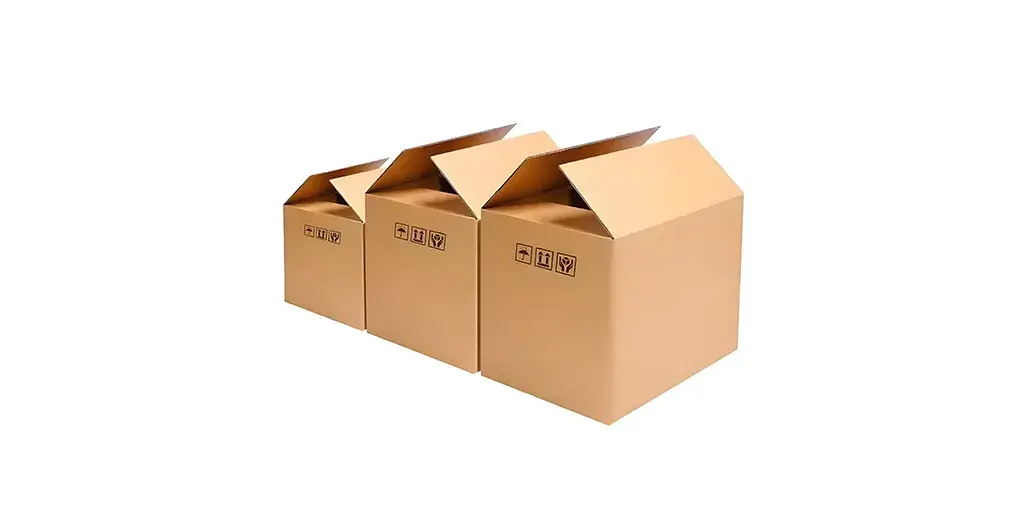
Assuming you’re considering heavy-duty flap boxes, what kinds of industrial equipment are actually suitable for this type of packaging? The versatility of flap boxes allows them to accommodate a wider range of equipment than you might initially think.
Flap boxes are excellent for packaging a wide variety of lighter industrial machinery parts and components:
Automotive Parts: Items like alternators, starters, brake components, filters, and sensors can be efficiently packaged in flap boxes for distribution to repair shops or parts retailers.
Appliance Components: Smaller appliance parts such as motors, timers, heating elements, and control modules are well-protected within flap boxes during shipping.
Manufacturing Components: Various machined parts, gears, bearings, valves, and fittings used in manufacturing processes are suitable for flap box packaging.
Plumbing and HVAC Components: Items like pumps, valves, fittings, thermostats, and sensors for plumbing and HVAC systems can be effectively packaged for distribution using flap boxes.
For these lighter, less bulky items, heavy-duty single-wall or double-wall flap boxes often provide an ideal balance of protection and cost-effectiveness.
Flap boxes are particularly well-suited for packaging sensitive industrial equipment like electronics, motors, and control panels:
Industrial Electronics: Items like circuit boards, sensors, PLCs (Programmable Logic Controllers), HMIs (Human-Machine Interfaces), and power supplies are often delicate and require protection from physical shock and static electricity. Flap boxes, when combined with appropriate cushioning and anti-static packaging materials, provide excellent protection.
Electric Motors: Smaller to medium-sized electric motors for industrial machinery can be securely packaged in heavy-duty flap boxes, using custom foam inserts to prevent movement and damage to shafts and windings.
Control Panels and Enclosures: Industrial control panels, electrical enclosures, and junction boxes, while sometimes bulky, can be effectively packaged in appropriately sized and reinforced flap boxes, using internal supports and cushioning to protect sensitive components and panels.
For these types of industrial equipment, the key is to combine robust flap boxes with specialized internal packaging to address specific protection requirements like shock absorption, anti-static properties, and secure immobilization.
Flap boxes are also a practical and efficient solution for packaging industrial tools, hardware, and spare parts:
Power Tools and Hand Tools: Individual power tools, sets of hand tools, and specialized industrial tools can be effectively packaged in flap boxes for distribution to job sites, retailers, or service centers.
Hardware and Fasteners: Bulk quantities of industrial hardware like bolts, screws, nuts, washers, and rivets can be efficiently packaged and shipped in sturdy flap boxes, often using inner boxes or bags for organization within the larger box.
Spare Parts and Maintenance Kits: Kits of spare parts, maintenance supplies, and repair components for industrial machinery are ideally suited for flap box packaging, allowing for organized and protected shipment of essential items.
For tools, hardware, and spare parts, flap boxes offer a durable, cost-effective, and easily customizable packaging solution that simplifies logistics and ensures parts arrive in good condition and ready for use.
Beyond just being “strong enough,” why should businesses consider flap boxes for industrial equipment packaging? What are the specific advantages they offer compared to other options?
Cost is always a primary consideration for industrial operations. Flap boxes offer significant cost advantages:
Lower Material Costs: Corrugated cardboard is a relatively inexpensive material compared to wood, metal, or specialized plastics used in some industrial crates and containers. This translates to lower packaging materials costs.
Efficient Manufacturing: The simple design of flap boxes allows for high-volume, automated manufacturing, keeping production costs down and making them readily available at competitive prices.
Reduced Shipping Expenses: Flap boxes are lightweight compared to wooden crates or metal containers, which can significantly reduce shipping weight and associated freight costs, especially for large or frequent shipments of industrial equipment.
Lower Labor Costs: Flap boxes are relatively easy to assemble and pack compared to more complex crates or custom packaging, potentially reducing labor time and costs associated with packaging operations.
For budget-conscious industrial businesses, flap boxes offer a compelling path to significant packaging cost savings without sacrificing essential protection for a wide range of equipment.
Industrial equipment comes in all shapes and sizes. Flap boxes offer a degree of customization that makes them adaptable to diverse equipment dimensions:
Wide Range of Standard Sizes: Flap boxes are available in a vast array of standard sizes, increasing the chances of finding an off-the-shelf solution that fits your equipment reasonably well, minimizing the need for expensive custom boxes.
Custom Sizing Options: For equipment with unique dimensions, flap box manufacturers like FoHo Packaging can readily produce custom-sized flap boxes tailored to your specific requirements, ensuring a snug and protective fit.
Internal Design Flexibility: Flap boxes can be easily adapted with internal dividers, inserts, and cushioning to create customized packaging solutions for equipment with irregular shapes or delicate components, maximizing protection and space utilization.
This customization capability allows businesses to use flap boxes for a wider variety of industrial equipment, adapting the packaging to the specific needs of each item.
In busy industrial environments, efficiency is crucial. Flap boxes streamline packaging and handling processes:
Simple Assembly: Flap boxes are quick and easy to assemble, requiring minimal training and reducing packing time compared to more complex crate assembly.
Ergonomic Handling: Flap boxes, especially for smaller to medium-sized equipment, are generally easier for workers to handle and maneuver than bulky crates or heavy containers, improving ergonomics and reducing the risk of injury.
Stackable for Efficient Warehousing: When properly sealed and labeled, flap boxes can be efficiently stacked in warehouses, optimizing storage space utilization and simplifying inventory management.
Standardized Packaging Process: Using flap boxes creates a more standardized and streamlined packaging process, making it easier to train staff, maintain consistency, and optimize workflow in industrial shipping departments.
This ease of handling and packing translates to increased efficiency, reduced labor costs, and faster turnaround times in industrial shipping operations.
Sustainability is increasingly important for industrial businesses. Flap boxes offer a naturally eco-friendly packaging solution:
High Recyclability: Corrugated cardboard flap boxes are highly recyclable and widely accepted in recycling programs globally. Choosing flap boxes demonstrates a commitment to environmental responsibility and reduces landfill waste.
Recycled Content Options: Many flap box manufacturers, including FoHo Packaging, offer boxes made from high percentages of post-consumer recycled content, further minimizing their environmental impact and promoting a circular economy.
Biodegradable Material: Corrugated cardboard is biodegradable and compostable, offering an environmentally responsible end-of-life option should recycling not be feasible in certain situations.
Reduced Carbon Footprint: Compared to energy-intensive materials like metal or plastic, corrugated cardboard production has a lower carbon footprint, contributing to a more sustainable supply chain for industrial equipment.
Choosing recyclable flap boxes aligns industrial businesses with growing sustainability trends, enhances their corporate social responsibility profile, and appeals to environmentally conscious customers and partners. As highlighted in “Lifecycle Assessment of Reusable vs. Disposable Packaging for Industrial Components,” considering the lifecycle environmental impact of packaging is increasingly crucial for industrial sustainability .
Selecting the “right” flap box for industrial equipment packaging is not a one-size-fits-all process. It requires careful consideration of several factors to ensure optimal protection and cost-efficiency.
The first step is to thoroughly assess the physical characteristics of your industrial equipment:
Accurate Weight Measurement: Precisely weigh your equipment to determine the necessary box strength and handling requirements.
Detailed Dimension Measurement: Measure the length, width, and height of your equipment, including any protrusions or irregular shapes.
Center of Gravity: For irregularly shaped or heavy equipment, consider the center of gravity to ensure balanced weight distribution within the flap box and prevent tipping during handling.
Product Sensitivity: Evaluate the fragility and sensitivity of your equipment to shock, vibration, moisture, or static electricity. More delicate equipment will require stronger boxes and more robust internal packaging.
Accurate assessment of your equipment’s weight, dimensions, and fragility is the foundation for selecting appropriate flap box packaging.
Based on your equipment assessment, choose the right cardboard strength and wall type for your flap boxes:
ECT Rating: Specify an appropriate Edge Crush Test (ECT) rating for the corrugated cardboard. Higher ECT ratings indicate greater stacking strength, crucial for heavier industrial equipment. Consult with your flap box supplier like FoHo Packaging to determine the optimal ECT rating based on your equipment weight and stacking requirements.
Bursting Strength: Consider the bursting strength of the cardboard, especially if puncture resistance is a concern for your equipment. Higher bursting strength indicates greater resistance to punctures and tears.
Wall Type: Choose between single-wall, double-wall, or triple-wall flap boxes based on the weight and fragility of your equipment. Double-wall is a good starting point for many industrial applications, while triple-wall offers maximum strength for very heavy or sensitive items.
Material Grade: Discuss different cardboard grades with your supplier. Higher grades offer increased strength and durability, but also come at a higher cost. Select a grade that balances performance and budget for your specific needs.
Careful selection of cardboard strength and wall type ensures your flap boxes provide adequate structural integrity and protection for your industrial equipment.
The flap box itself is just one part of the equation. Internal packaging and cushioning are equally critical for protecting industrial equipment:
Cushioning Materials: Determine the appropriate cushioning materials based on your equipment’s fragility and sensitivity. Options include foam inserts, custom-molded pulp, bubble wrap, packing peanuts, and corrugated cardboard inserts.
Void Fill Requirements: Calculate the amount of void fill needed to immobilize your equipment within the flap box and prevent shifting during transit. Consider using a combination of cushioning types for optimal void fill and shock absorption.
Blocking and Bracing: For heavier or irregularly shaped equipment, plan for blocking and bracing techniques using foam, wood, or corrugated cardboard to further secure the equipment within the flap box and prevent movement or damage to delicate components.
Anti-Static Protection: If packaging electronic equipment, ensure you use anti-static cushioning materials and packaging to protect sensitive components from electrostatic discharge (ESD) damage.
Thorough consideration of internal packaging and cushioning needs is essential to maximize the protective capabilities of flap boxes for industrial equipment packaging. As highlighted in “Optimization of Packaging Design for Large Industrial Equipment Using Finite Element Analysis,” a well-designed internal packaging system is crucial for protecting valuable industrial equipment .
Once you’ve selected the right flap box, the next critical step is determining the appropriate internal packaging and cushioning to ensure your industrial equipment is fully protected during shipping.
Choosing the right cushioning materials depends on the fragility, weight, and shape of your industrial equipment. Here are some essential options:
Polyethylene (PE) Foam: PE foam is dense, resilient, and offers excellent shock absorption and vibration damping. It’s ideal for protecting heavier industrial equipment and sensitive electronic components. PE foam can be used in sheet form, custom-cut inserts, or molded shapes.
Polyurethane (PU) Foam: PU foam is lighter and more flexible than PE foam, offering good cushioning for lighter to medium-weight items. It’s available in various densities and can be used as loose fill, convoluted (egg-crate) foam, or custom-cut pads.
Corrugated Cardboard Inserts: Custom-designed corrugated cardboard inserts are a cost-effective and recyclable option for creating compartments, dividers, and bracing within flap boxes. They are excellent for immobilizing equipment and preventing item-to-item contact.
Molded Pulp: Molded pulp inserts are made from recycled paper fibers and offer a sustainable and form-fitting cushioning solution. They are particularly suitable for protecting uniquely shaped or delicate industrial components.
Air Pillows and Packing Peanuts: Air pillows and packing peanuts (especially biodegradable options) are excellent for void fill, preventing equipment from shifting within the flap box. They are lightweight and easy to use for filling empty spaces around packaged equipment.
Selecting a combination of these cushioning materials, tailored to your specific equipment’s needs, is key to effective industrial equipment packaging.
Preventing equipment from shifting within the flap box is crucial to avoid damage during shipping. Effective techniques include:
Custom Inserts and Dividers: Utilize custom-designed foam or corrugated cardboard inserts to create snug compartments that hold equipment securely in place and prevent movement.
Blocking and Bracing: Use foam blocks, corrugated cardboard bracing, or wood to securely block and brace heavier equipment within the flap box, preventing sliding or tipping.
Strapping and Banding: For heavier equipment, consider using internal strapping or banding (plastic or steel) to further secure the equipment to the flap box base or internal supports, adding an extra layer of immobilization.
Void Fill Optimization: Ensure complete void fill with cushioning materials to eliminate any empty spaces that could allow equipment to shift during handling and transit.
Immobilizing your industrial equipment within the flap box is paramount to prevent damage from impacts, vibrations, and sudden movements during shipping.
Many pieces of industrial equipment have sensitive parts that require extra protection. Pay special attention to:
Delicate Protrusions: Carefully pad and protect any delicate protrusions, knobs, handles, or connectors on your equipment using bubble wrap, foam padding, or custom-designed protectors.
Fragile Surfaces: Protect sensitive surfaces like screens, gauges, or polished finishes with protective films, foam sheeting, or specialized wraps to prevent scratches or abrasions during handling.
Vibration-Sensitive Components: For equipment with vibration-sensitive components, use vibration-damping cushioning materials like dense foam or specialized vibration isolators to minimize vibration transmission during shipping.
Electrostatic Discharge (ESD) Sensitive Electronics: When packaging electronic equipment, use anti-static bubble wrap, foam, and packaging materials to prevent ESD damage to sensitive electronic components.
By meticulously protecting sensitive parts and components, you significantly reduce the risk of damage to your industrial equipment during shipping, ensuring it arrives in perfect working order.
While functionality and protection are paramount, customization of flap boxes can also play a valuable role in industrial equipment packaging.
Custom printing on flap boxes offers several benefits for industrial equipment packaging:
Brand Identification: Printing your company logo and name on flap boxes enhances brand visibility and reinforces brand recognition throughout the supply chain and upon delivery to end-users.
Professional Appearance: Custom-printed flap boxes project a more professional and polished image compared to plain boxes, conveying attention to detail and quality.
Handling Instructions and Warnings: Incorporate handling instructions (“Fragile,” “Handle with Care,” “This Side Up”), safety warnings, or product-specific information directly onto the flap box via custom printing, ensuring clear communication to handlers and recipients.
Inventory Management: Print product codes, part numbers, or inventory information directly on the flap box to streamline warehouse management and simplify product identification.
Custom printing transforms flap boxes from simple containers into branded communication tools, enhancing both logistics and brand perception.
Custom inserts are a powerful customization option for flap boxes, offering tailored protection and organization:
Equipment-Specific Fit: Custom inserts, made from foam, corrugated cardboard, or molded pulp, are designed to precisely fit the contours of your industrial equipment, providing a snug and secure cradle that minimizes movement and maximizes protection.
Component Separation: Inserts can be designed with compartments and dividers to separate multiple components of a piece of equipment within a single flap box, preventing contact and damage during shipping.
Enhanced Protection for Delicate Parts: Custom inserts can be specifically engineered to provide extra cushioning and protection for delicate or sensitive parts of your equipment, ensuring they are well-protected during transit.
Improved Presentation: Well-designed custom inserts not only protect equipment but also enhance the presentation upon unboxing, creating a more professional and organized impression for recipients.
Beyond standard shipping labels, consider specialized labeling and marking for flap boxes containing industrial equipment:
Equipment Identification Labels: Clearly label each flap box with equipment name, part number, serial number, or other identifying information for easy tracking and inventory management.
Handling and Safety Labels: Use prominent “Fragile,” “Handle with Care,” “Heavy,” “This Side Up,” or other relevant handling and safety labels to ensure proper handling throughout the shipping process and minimize the risk of damage or injury.
Compliance Labels: For certain types of industrial equipment (e.g., hazardous materials, electronics), include compliance labels as required by regulations, ensuring proper handling and adherence to shipping standards.
Color-Coding: Implement color-coding systems using colored tape or labels to differentiate between different types of equipment, destinations, or handling requirements, streamlining warehouse operations and reducing errors.
Strategic labeling and marking of flap boxes enhances logistics efficiency, improves handling accuracy, and ensures that industrial equipment shipments are processed safely and effectively throughout the supply chain.
Sustainability is a growing concern across all industries, including industrial manufacturing and shipping. Are flap boxes a responsible and eco-friendly choice for industrial equipment packaging?
One of the key advantages of flap boxes is their inherent recyclability:
High Recycling Rates: Corrugated cardboard boasts impressive recycling rates globally, making flap boxes a readily recyclable packaging material.
Established Recycling Infrastructure: Well-established recycling infrastructure exists for corrugated cardboard in most regions, ensuring easy and efficient recycling after use.
Closed-Loop Recycling Potential: Recycled cardboard fibers can be used to create new flap boxes and other paper products, contributing to a closed-loop recycling system and reducing reliance on virgin resources.
Reduced Landfill Waste: Choosing recyclable flap boxes diverts significant amounts of packaging waste from landfills, minimizing environmental impact and conserving landfill space.
For environmentally conscious industrial businesses, the recyclability of flap boxes makes them a significantly more sustainable choice compared to less readily recyclable alternatives.
To further enhance the sustainability of flap box packaging, consider opting for boxes made from recycled content:
Post-Consumer Recycled Content: Choose flap boxes manufactured using a high percentage of post-consumer recycled cardboard. This reduces demand for virgin fibers, conserves forests, and lowers the environmental impact of packaging production.
Post-Industrial Recycled Content: Flap boxes made with post-industrial recycled content utilize waste materials from cardboard manufacturing processes, further minimizing waste and maximizing resource efficiency.
Recycled Content Certification: Look for flap boxes certified by reputable organizations (e.g., Forest Stewardship Council – FSC, Sustainable Forestry Initiative – SFI) that verify recycled content and sustainable sourcing practices.
Using recycled content flap boxes demonstrates a strong commitment to environmental stewardship and reduces the overall environmental footprint of your industrial equipment packaging.
Beyond material selection, industrial businesses can minimize packaging waste associated with flap boxes through operational efficiencies:
Right-Sizing Packaging: Optimize flap box sizes to minimize material usage and void fill. Using appropriately sized boxes reduces waste and improves shipping efficiency.
Reusable Cushioning: Explore reusable cushioning options like inflatable air pillows or molded foam inserts that can be returned and reused multiple times, reducing reliance on single-use cushioning materials.
Efficient Packing Processes: Train packing staff to use cushioning materials efficiently and avoid over-packaging. Optimized packing processes minimize material waste and improve throughput.
Customer Recycling Programs: For businesses with regular equipment shipments to the same customers or locations, consider implementing take-back programs to collect used flap boxes for reuse or recycling, promoting a circular economy approach.
By focusing on both material selection and waste reduction strategies, industrial businesses can maximize the sustainability of their flap box packaging and minimize their environmental impact.
Flap boxes are not the only option for industrial equipment packaging. How do they stack up against other common industrial packaging methods like wooden crates and skids?
Feature Flap Boxes (Corrugated) Wooden Crates Skids (Pallets) Protection Level Good to Excellent (with proper packing) Superior Limited (Primarily for Support) Cost-Effectiveness High Medium to High Low to Medium Weight Capacity Light to Medium-Heavy Heavy to Very Heavy Very Heavy Customization High High Limited Ease of Handling/Packing High Medium High (for palletized loads) Sustainability/Recyclability Highly Recyclable Partially Recyclable/Reusable Partially Recyclable/Reusable Assembly/Disassembly Easy Moderate to Complex Minimal Best Use Cases Parts, Components, Electronics, Motors Large, Heavy, Fragile Equipment Bulk Shipping, Heavy Equipment
While wooden crates and skids have their place, flap boxes are often preferred for industrial equipment packaging in specific scenarios:
Cost Sensitivity: When budget constraints are a primary concern, flap boxes offer a significantly more cost-effective packaging solution than custom-built wooden crates.
Lighter to Medium-Weight Equipment: For equipment that is not excessively heavy or oversized, heavy-duty flap boxes provide adequate protection without the added cost and weight of crates.
High-Volume Shipments: For businesses shipping large volumes of industrial equipment, flap boxes streamline packaging processes and reduce overall shipping costs compared to more labor-intensive crating.
Sustainability Goals: When sustainability and recyclable packaging are priorities, flap boxes are a much more environmentally friendly option than wooden crates, which are often not easily recycled and may require fumigation for international shipments.
Ease of Use and Handling: For simpler packaging and handling operations, flap boxes are easier to assemble, pack, and maneuver compared to heavier and more complex crates, reducing labor and improving efficiency.
In many industrial applications, flap boxes strike a compelling balance of cost, protection, ease of use, and sustainability, making them a smart and practical choice over more expensive and cumbersome alternatives like wooden crates or skids.
For industrial businesses, sourcing flap boxes wholesale is essential for cost-effectiveness and ensuring a reliable supply.
Direct from Manufacturers: Contact flap box manufacturers directly, such as FoHo Packaging. Direct sourcing often provides the most competitive wholesale pricing and allows for custom orders and direct communication regarding your specific industrial equipment needs.
Industrial Packaging Wholesalers: Packaging wholesalers specializing in industrial supplies typically carry a wide range of heavy-duty flap boxes in various sizes and strengths, catering to industrial applications. They can offer bulk discounts and may provide value-added services like custom printing or just-in-time delivery.
Online B2B Marketplaces: Explore online B2B marketplaces that connect businesses with industrial suppliers. Platforms like Alibaba, ThomasNet, and industry-specific packaging marketplaces can help you find and compare quotes from numerous wholesale flap box vendors.
Local Packaging Distributors: Consider local packaging distributors in your region. They may offer competitive wholesale pricing, faster delivery times, and more personalized customer service, especially for regional industrial businesses.
When selecting a wholesale supplier, prioritize factors like product quality, pricing, customization capabilities, reliability of supply, and customer service to ensure a successful and long-term packaging partnership.
For specialized industrial equipment packaging, custom flap boxes offer tailored solutions:
Direct Contact with Manufacturers: For custom flap boxes, working directly with a manufacturer like FoHo Packaging is often the most effective approach. Direct communication ensures accurate specifications and customized designs.
Provide Detailed Specifications: Clearly communicate your equipment’s dimensions, weight, fragility, and any specific packaging requirements to the manufacturer. Detailed specifications ensure the custom flap boxes are precisely engineered to meet your needs.
Request Samples and Prototypes: Before placing a large wholesale order for custom flap boxes, always request samples or prototypes to test the fit, strength, and protection capabilities of the design.
Negotiate Pricing and Lead Times: Discuss pricing and lead times for custom orders with your chosen manufacturer. Custom flap boxes may have longer lead times and potentially higher per-unit costs compared to standard sizes, so factor this into your planning and budget.
Custom flap boxes ensure optimal protection and a perfect fit for your valuable industrial equipment, justifying the potentially higher upfront investment for specialized applications.
Ready to implement flap boxes for your industrial equipment packaging? Here’s a step-by-step guide to get you started:
Assess Your Equipment: Thoroughly evaluate the weight, dimensions, fragility, and specific protection requirements of your industrial equipment.
Choose Flap Box Type and Strength: Based on your equipment assessment, select appropriate flap box wall type (single, double, or triple wall) and cardboard strength (ECT rating, bursting strength) to ensure adequate protection.
Determine Internal Packaging Needs: Plan your internal packaging and cushioning strategy, selecting appropriate materials and techniques to immobilize and protect your equipment within the flap box.
Design Customizations (if needed): Decide if you need custom-sized flap boxes, custom printing, or custom inserts to optimize packaging for your specific equipment and branding requirements.
Source Wholesale Flap Boxes: Identify and contact reliable wholesale suppliers like FoHo Packaging to request quotes for your chosen flap box specifications and quantities.
Test and Prototype: Order samples or prototypes of your chosen flap boxes and internal packaging to conduct thorough testing, ensuring they meet your protection and performance requirements.
Train Your Team: Train your packaging and shipping team on proper assembly, packing, sealing, and labeling procedures for using flap boxes effectively for industrial equipment.
Implement and Monitor: Roll out your new flap box packaging solution and continuously monitor its performance, gathering feedback and making adjustments as needed to optimize protection and efficiency.
For businesses seeking expert guidance and high-quality flap box solutions for industrial equipment packaging, partnering with FoHo Packaging offers significant advantages:
Expert Consultation: FoHo Packaging’s experienced team can provide expert consultation to assess your equipment packaging needs and recommend the most suitable flap box types, materials, and customization options.
Custom Design and Engineering: FoHo Packaging offers custom design and engineering services to create flap boxes and internal inserts tailored to the specific dimensions and protection requirements of your industrial equipment.
Wide Range of Flap Box Options: FoHo Packaging provides a comprehensive range of flap boxes, including heavy-duty single, double, and triple wall options, ensuring you can find the right strength and style for your needs.
High-Quality Manufacturing: FoHo Packaging is committed to manufacturing high-quality flap boxes using durable materials and rigorous quality control processes, ensuring reliable performance for industrial equipment packaging.
Wholesale and Bulk Ordering: FoHo Packaging offers competitive wholesale pricing and can handle large volume orders, providing cost-effective solutions for industrial businesses of all sizes.
Ready to simplify and optimize your industrial equipment packaging with flap boxes?
Understanding flap boxes for industrial equipment packaging is key to making informed decisions that balance protection, cost, and efficiency. Do you want to explore if flap boxes are the right packaging solution for your industrial equipment? Contact FoHo Packaging today to discuss your specific equipment, request a quote, and let our experts help you start designing the best custom packaging using flap boxes that meets your needs for protection, cost-effectiveness, and sustainability. We offer flap boxes available in various packaging styles and are ready to be your industrial packaging partner. Let FoHo Packaging help you transition to smarter, more efficient, and more sustainable industrial equipment packaging solutions.
Summary of Key Points
Internal Links:
📧 Email us at: sales@fohopackaging.com 📞 Contact us on WhatsApp: +86 136 1533 5353
You can leave any questions. We will see and answer you.